
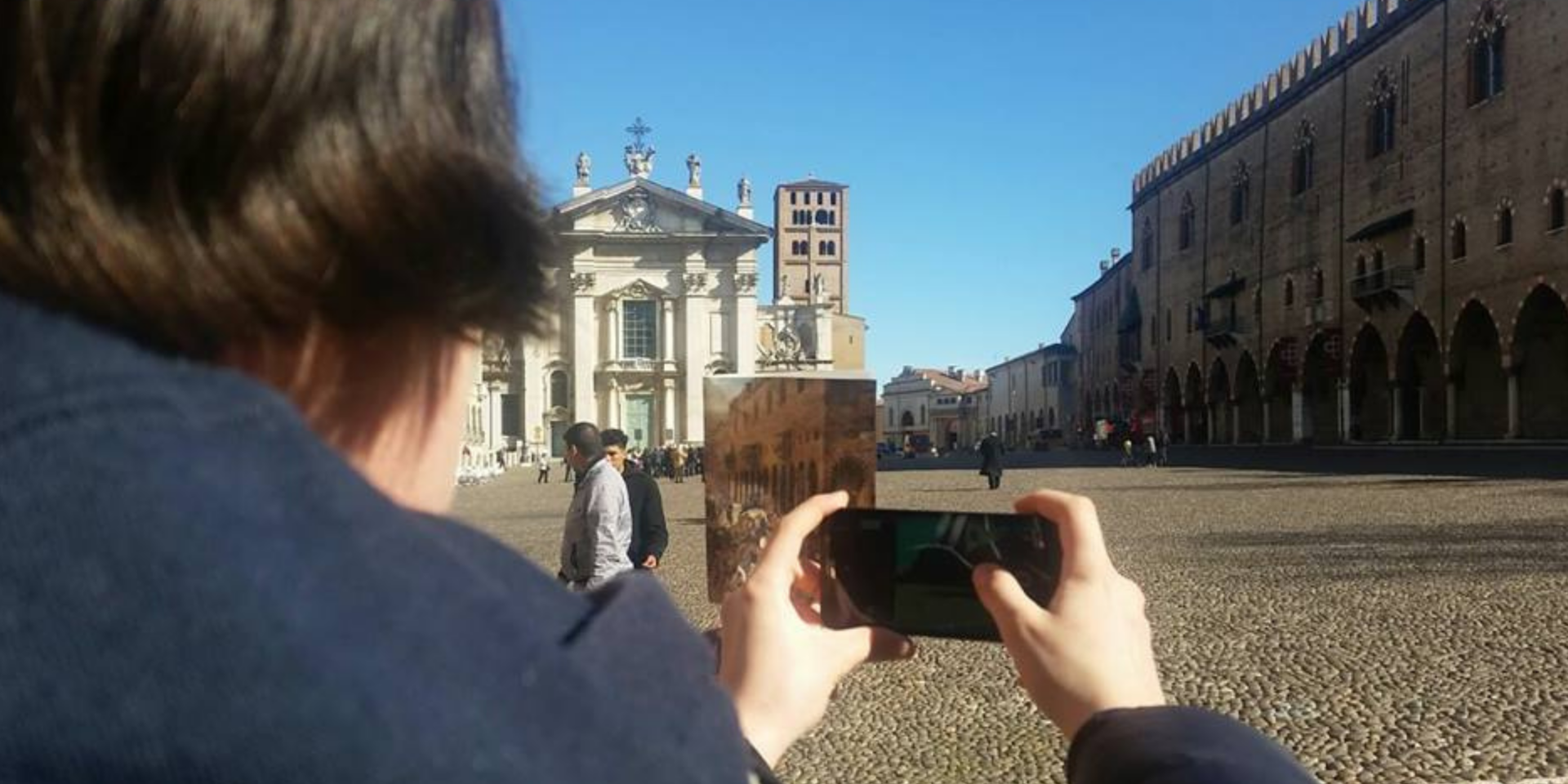
Knowledge of our cultural heritage is fundamental to understanding who we are and is a necessary starting point for addressing the challenges of contemporary life.
From UNESCO's perspective, the study of cultural heritage should not be an end in itself, but rather a means of fostering mutual understanding between cultures, dialogue, personal responsibility, care for the world we have been entrusted with, and support for sustainable development.
MACRO THEMATIC AREAS
To date we have identified some thematic areas of interest:
– Heritage as Identity and Cultural Factor
– Heritage as Common Good
– The Heritage and the Conscious and Active Tourism
– Heritage, Communication and New Technologies
The topic to be covered is chosen in consultation with the relevant teacher, taking into account the educational background and specific orientation of the class involved.
In secondary schools, these activities can be included in the Paths for Transversal Skills and Orientation (PCTO).
ACTIVITIES WITH STUDENTS
The activities begin with two meetings dedicated to common basic training, aimed at understanding the issues promoted by the’UNESCO and from World Heritage Centre and knowledge of the site Mantua and Sabbioneta.
These are followed by some meetings dedicated to the’in-depth analysis of specific topics that we have chosen to address.
Starting from the classroom discussion, a process of personal reworking and group workshop activities is promoted, aimed at developing a physical product (a brochure, a video, a guided tour, a recipe, etc.) that can be presented and explained.
On the page EDUCATIONAL ACTIVITIES ARCHIVE It is possible to view the activities carried out with students over the years.