In the urban and suburban residences built for the Gonzaga family the structure of the garden with shapes and styles typical of the era in which they were built, from the most intimate and private hortus conclusus from the Middle Ages to the magnificent Italian garden that amazed guests with perspectives, water games, automatons and mechanical movements, plants and flowers of the most sought-after species, up to the boats And orchards of the rural courts.
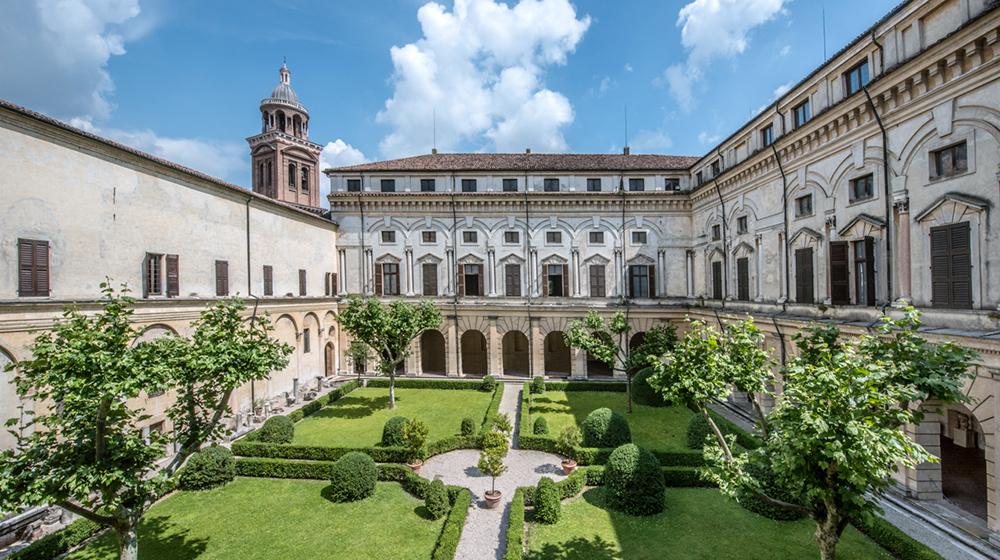
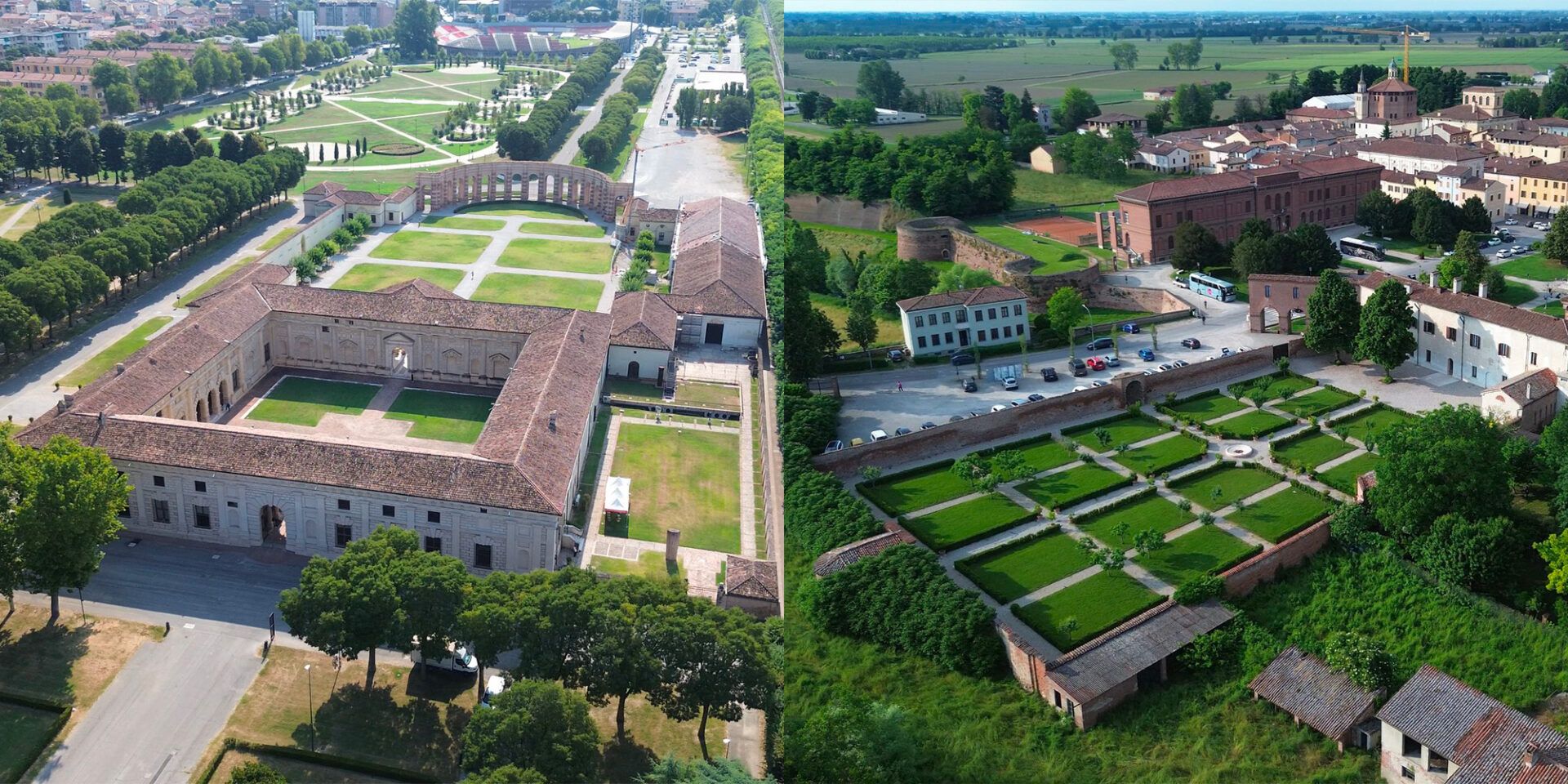
Only in the Ducal Palace of Mantua, a true city within the city, there was a rich variety and typology of gardens: the secret garden of Isabella d'Este, the Hanging Gardens and the Pavilion or Simple Gardens, the Dogs' Gardens and the Bastion Gardens. The same complex system of rooms and gardens was found inside and outside the suburban villa of Te Palace, where typologically different solutions were intertwined, from the secret garden to the labyrinth, from representative spaces to production areas.
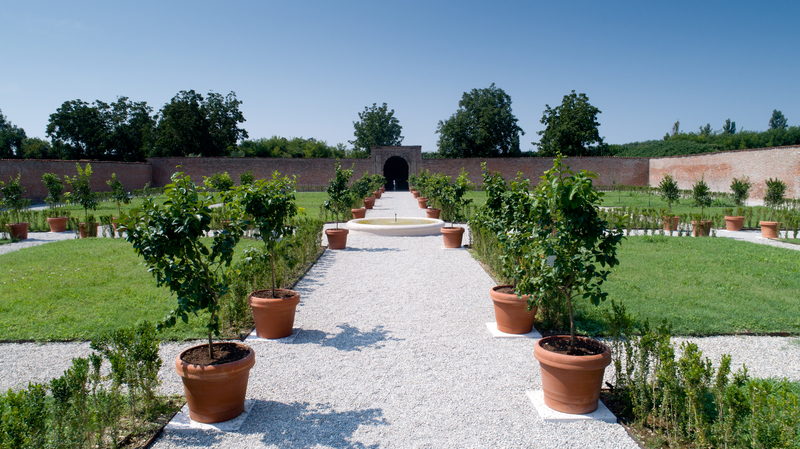
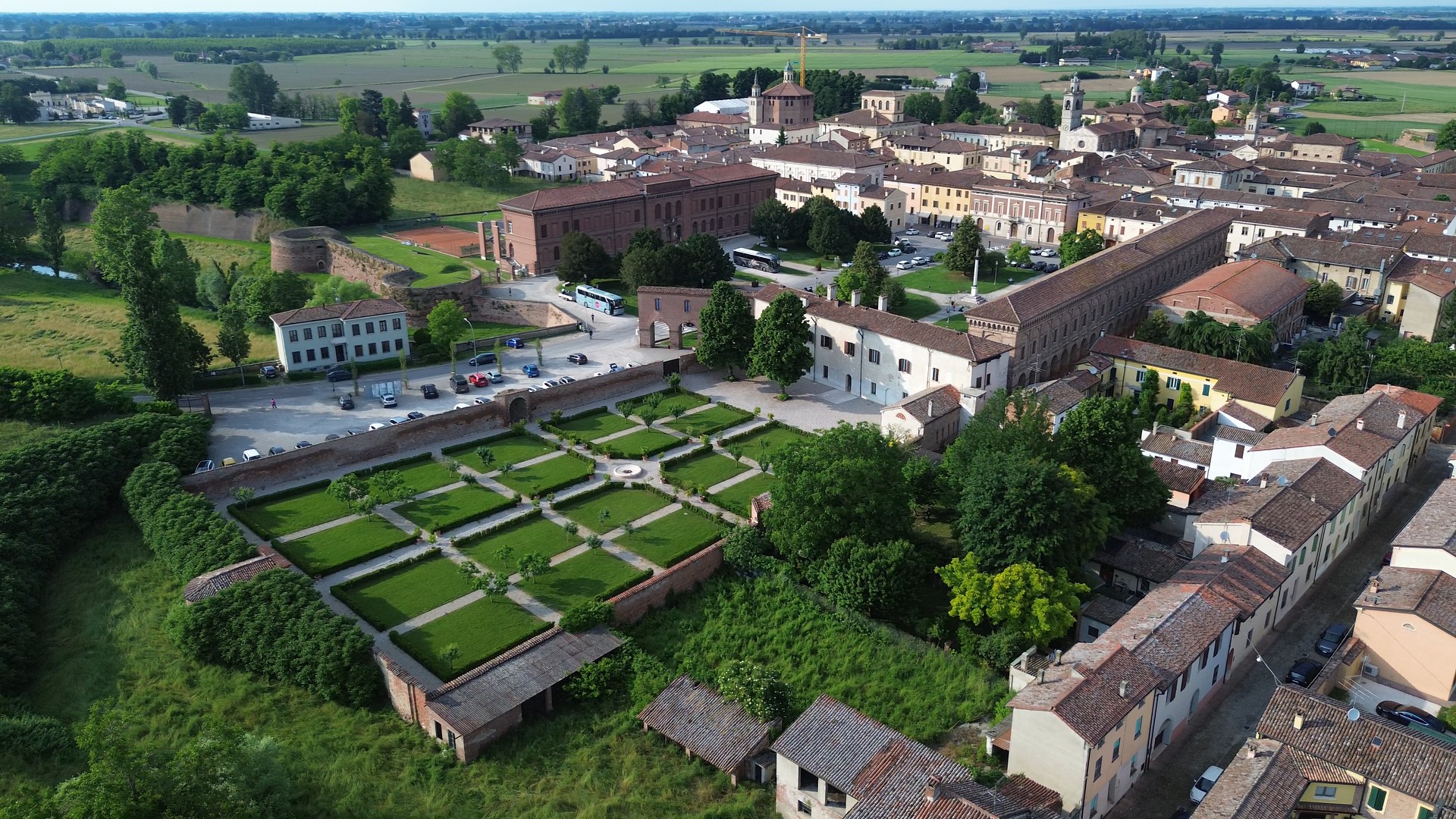
In Sabbioneta the Garden Palace it was Vespasian's private residence, dedicated to his otium, also called in the documents garden of the fountain Due to the presence of the fountain at the center of the intersection of two avenues, it gradually deteriorated from the 17th century onwards. In September 2018, thanks to regional funding and research, the garden finally regained its original form and beauty.
A study, in three volumes, has produced, on the basis of in-depth archive research, a complete mapping of the Gonzaga gardens of the entire territory of the ancient Duchy of Mantua (Vol. I), while the original configurations of the gardens have been reconstructed in detail through photographic, archaeological, georadar and paleobotanical analyses. gardens of Palazzo Te in Mantua (Vol. II) and of the garden of Palazzo Giardino in Sabbioneta (Vol. III).
Visit site https://giardinigonzaga.comune.mantova.it/index.php/giardini/