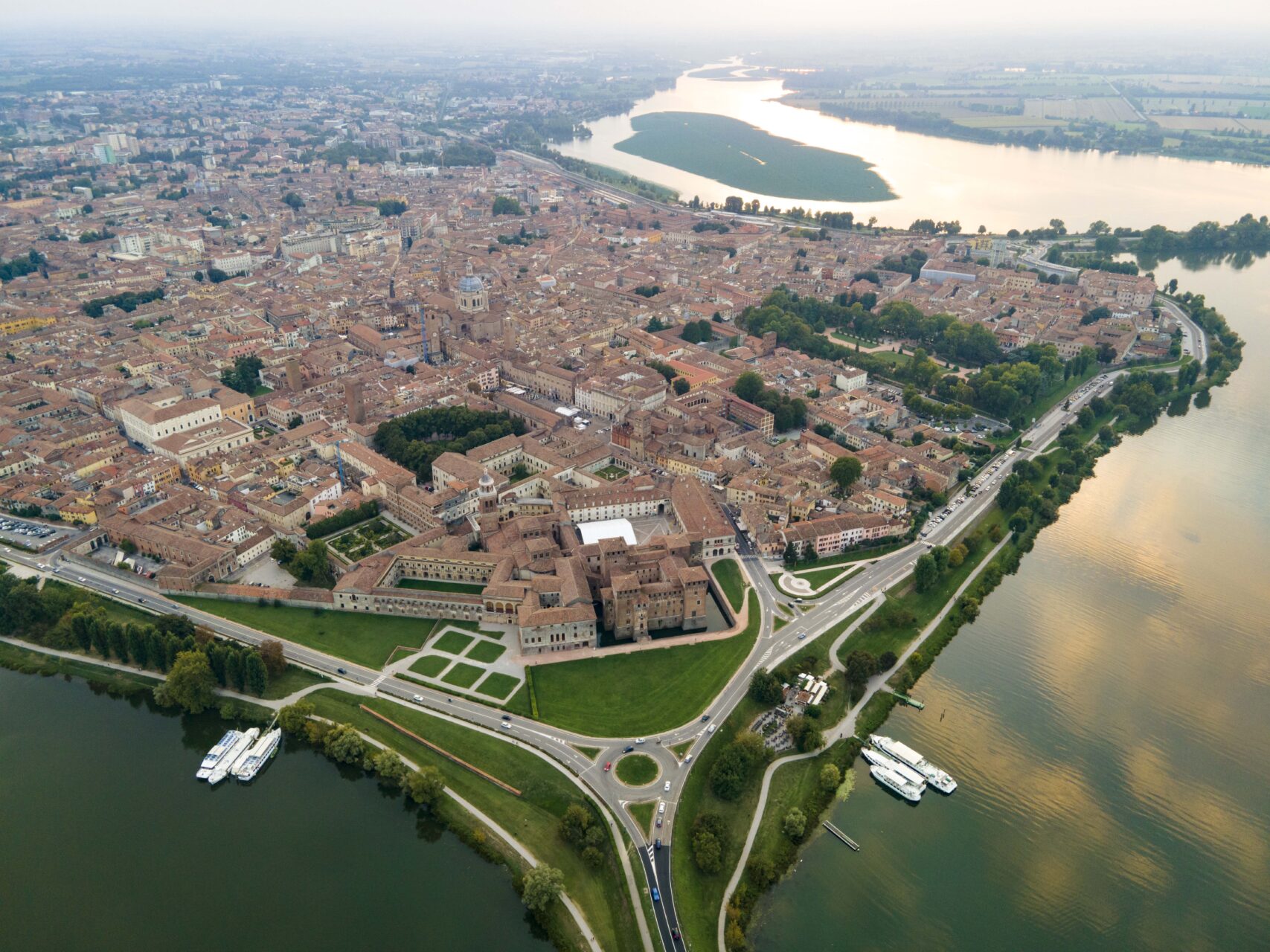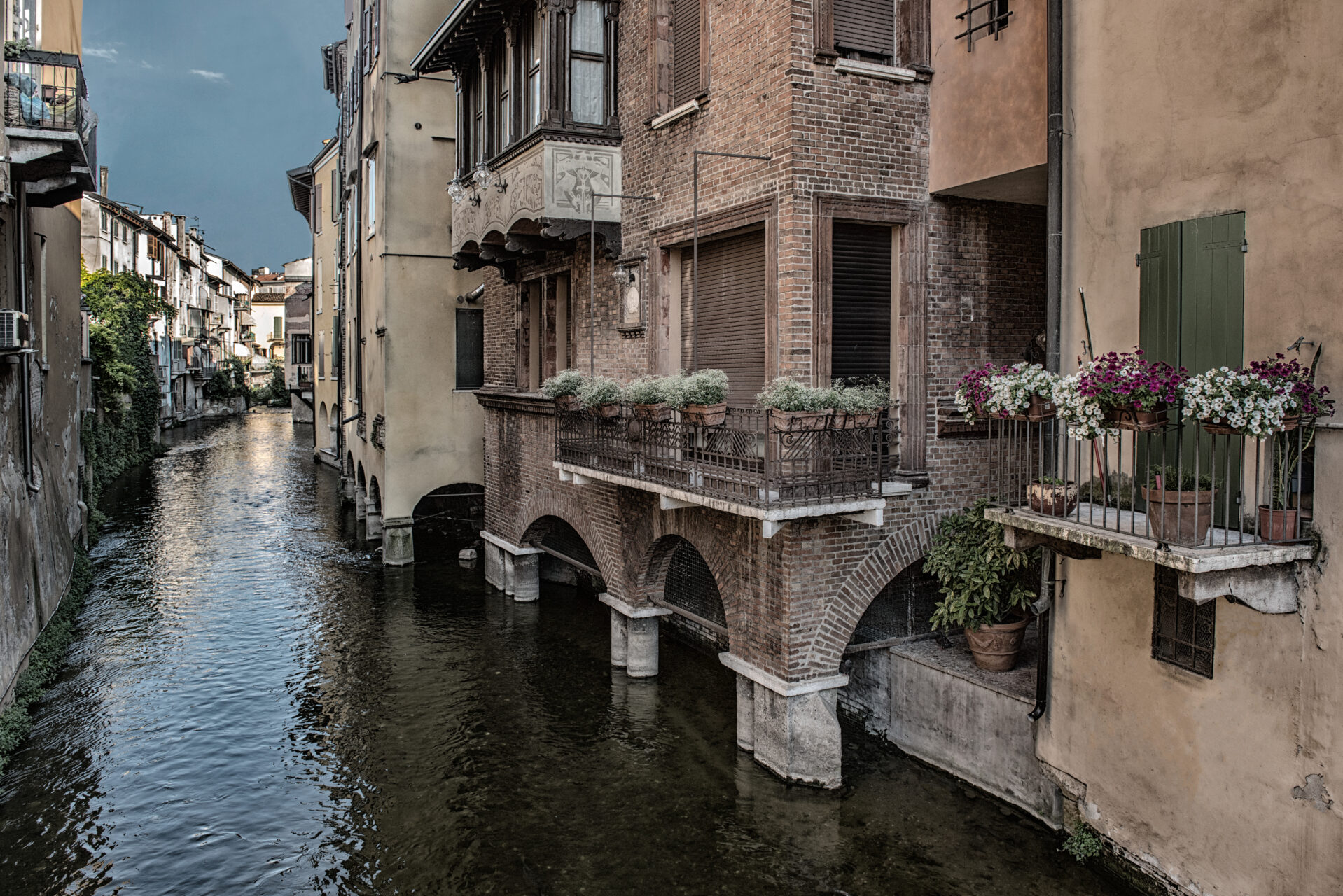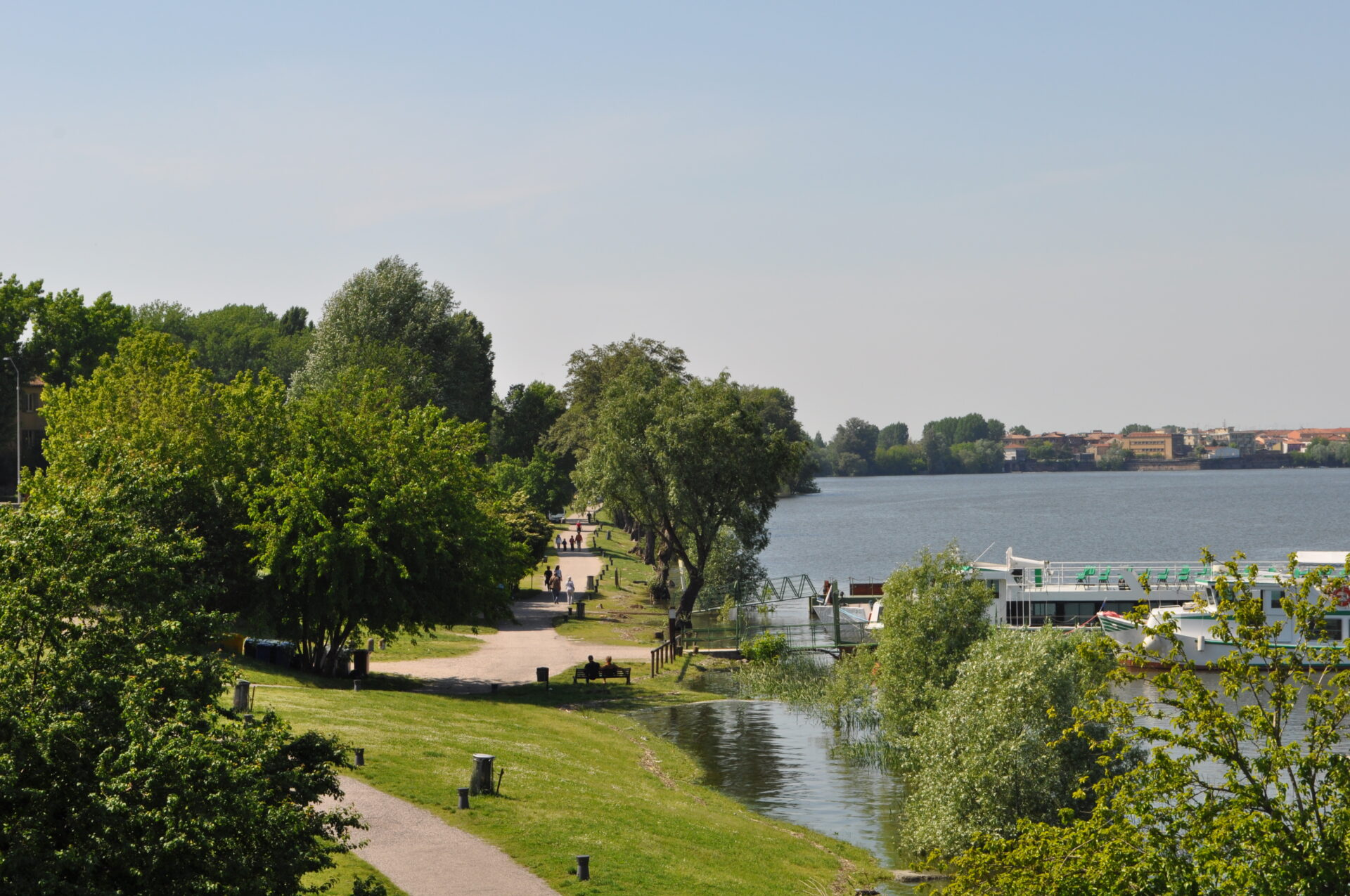
Mantua was a true city of water, crisscrossed by a network of docks that connected neighborhoods, markets, monasteries, and manufacturing areas.
The ports, distributed along the lake system and the Rio, were the meeting point between the rural territory, manufacturing, and the urban fabric. Raw materials, agricultural products, and manufactured goods destined for local markets and long-distance trade passed through them. The city was thus a complex organism, in which production, processing, and distribution of goods were closely integrated. Today, most of these ports have disappeared, but for centuries they represented essential hubs of urban and commercial life.
The following should be remembered in particular: Port of Ancona, also known as Sant'Agnese, occupied a natural inlet of Lake Mezzo in the area of present-day Piazza Virgiliana. It was one of the city's most important landing places until its disappearance at the end of the eighteenth century; Porto Catena It was the city's main port. Located at the mouth of the Rio, it took its name from the chain that controlled access. For centuries, it was one of the most important inland ports in northern Italy and today continues to bear witness to the deep connection between Mantua and its waterways.
Periurban Park