Villa of delights, a treasure chest of passions and legends
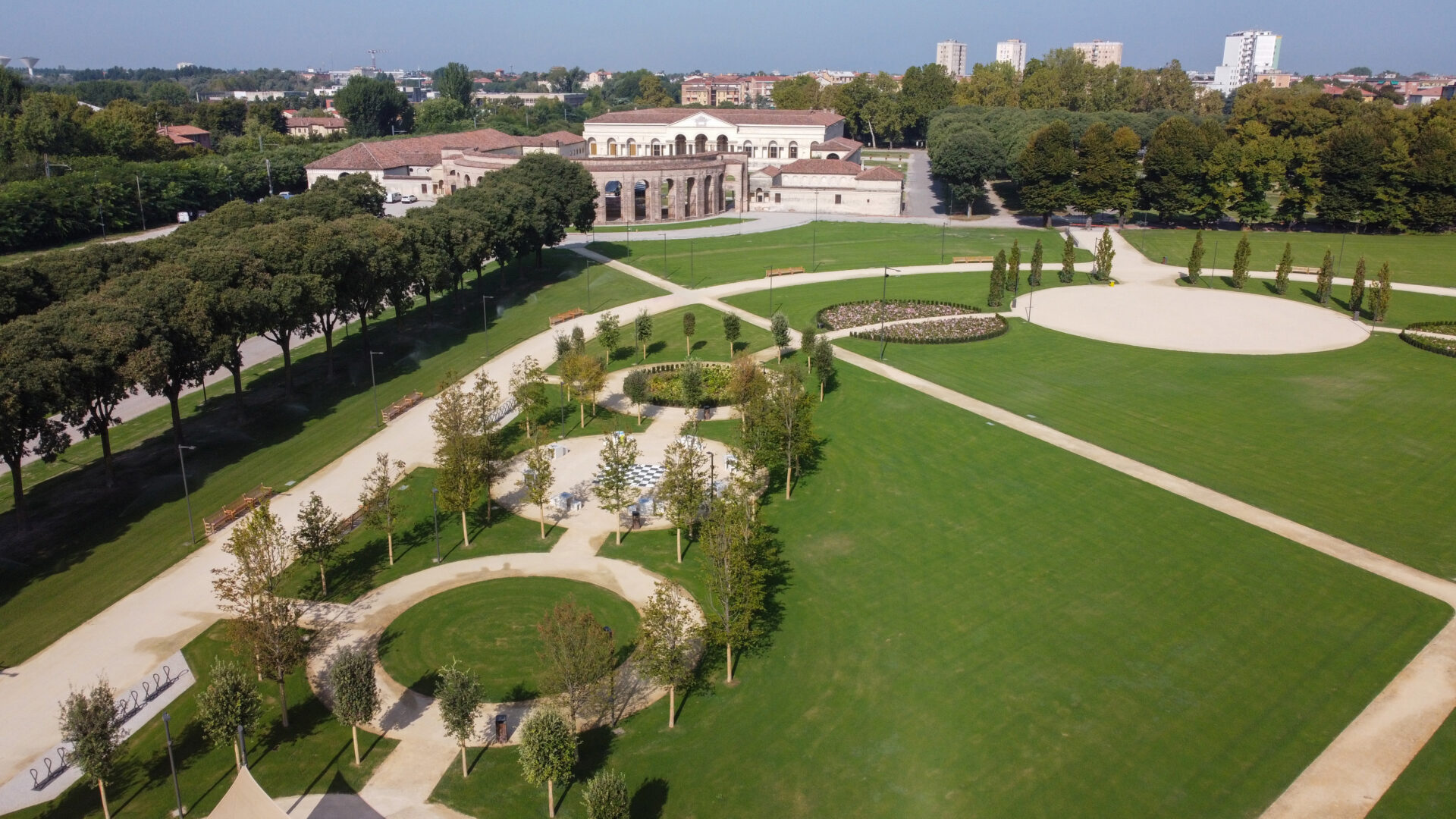
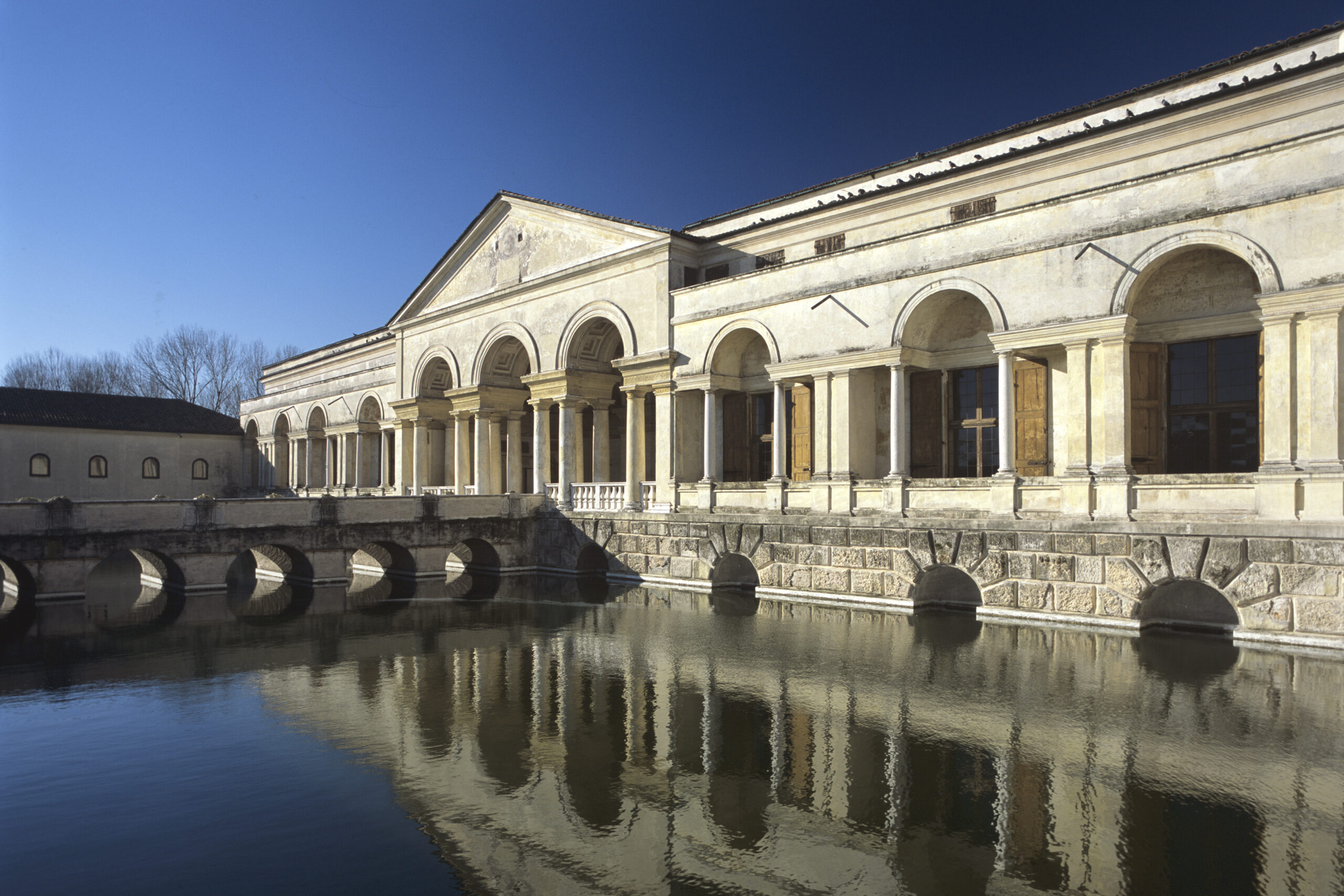
Federico II Gonzaga, son of Isabella d'Este and Francesco II, commissioned Giulio Romano to design and build Te Palace since 1524. The building is located at the end of what is now called the Prince's Path, which from Ducal Palace cross the city up to Porta Pusterla and San Sebastiano Palace. Here, a bridge extended to an island, where the Gonzagas raised horses: the island of Te. The name probably derives from teietum, a grove of lime trees, or from attegia, meaning hut.
Frederick II desired a villa more luxurious than the Palazzo San Sebastiano, built by his father Francis II: a place of delights inspired by the grand villas of Imperial Rome, where he could devote himself to everything he loved. In particular, to Isabella Boschetti, the woman for whom he felt a burning passion, represented almost obsessively by the symbolism of the frescoes on the walls.
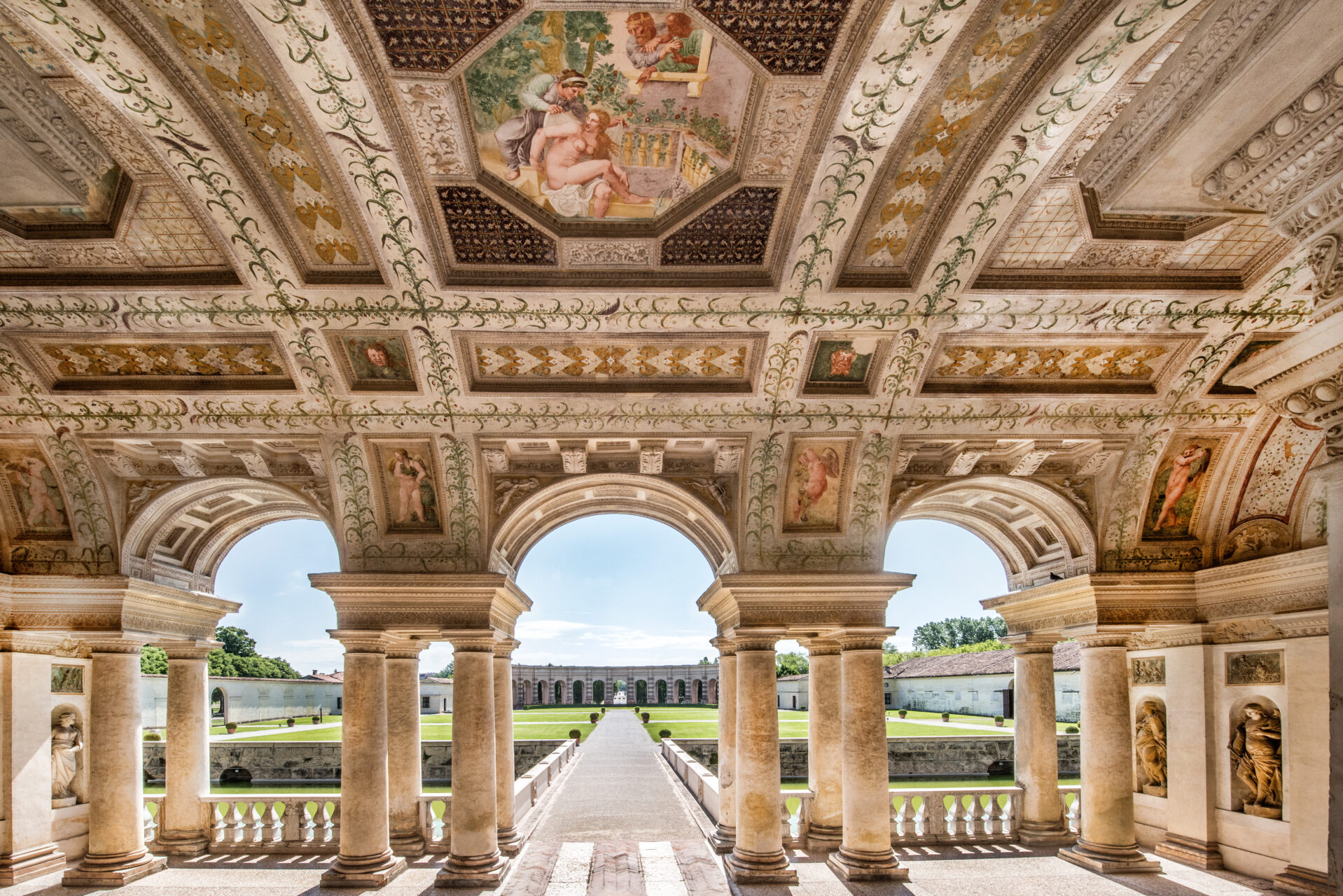
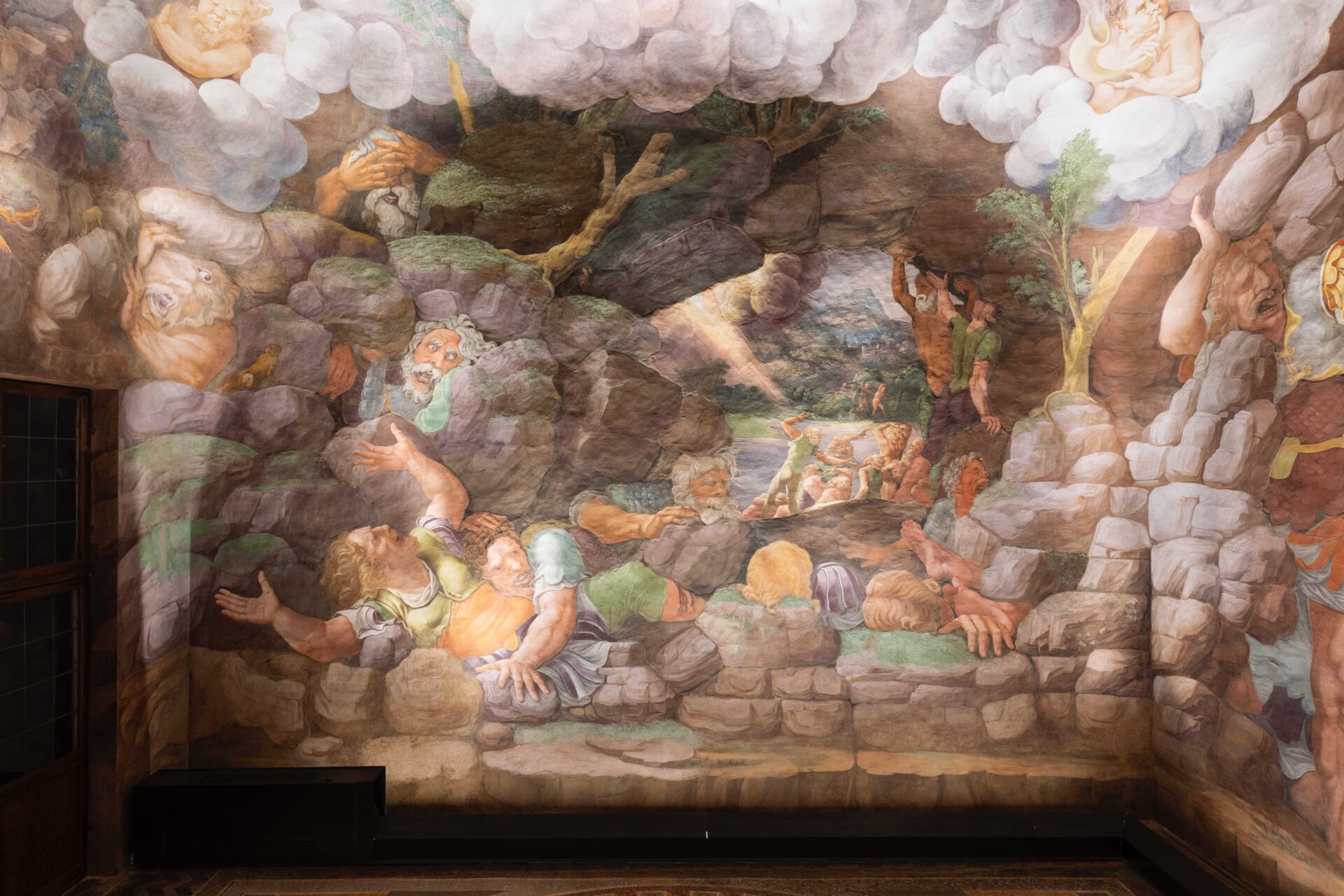
Julius Romano, a pupil of Raphael, brought to Mantua by Baldassarre Castiglione, agreed to oversee the entire architectural and decorative project. The result was bound to be highly emotional: the Chamber of Cupid and Psyche and the Chamber of the Giants are paramount examples of Mannerist art, in which classical myths are exalted by the expressive power of painting.
Villa of delights, suburban residence, meeting place for important guests: Te Palace It is, to this day, one of the finest examples of 16th-century architecture. Its rooms have hosted illustrious figures, such as Emperor Charles V in 1530 and 1532, and King Henry III of France in 1574.