Nourishment, artery and memory of the city
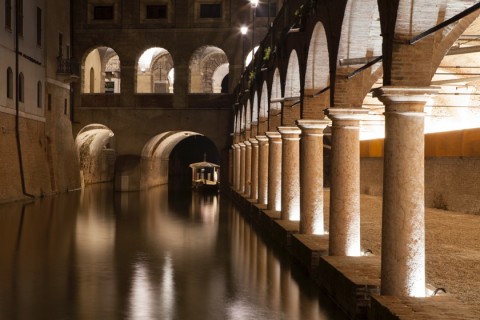
The canal, which crosses the city of Mantua, was once navigable and completely open. It connects the Lake Superior to that Inferior and constitutes a fundamental element of the urban structure, as well as of the city's history. The Rio's importance to the people of Mantua lies not only in its practical function as a waterway, but also in its symbolic and identity-building significance.
The Rio, in fact, played a crucial role in shaping the history and development of the city, representing one of the main routes of communication and transportation of goods within the urban fabric. Not to mention that during wartime and times of famine, it always represented a daily meal for the people of Mantua. Anyone could dip a reed or a net in the flowing waters of the canal and feed their family.
The Rio remained a characteristic feature of the city until the late 1950s, when the canal was partially covered, allowing it to continue to flow under what is now Via Libertà.
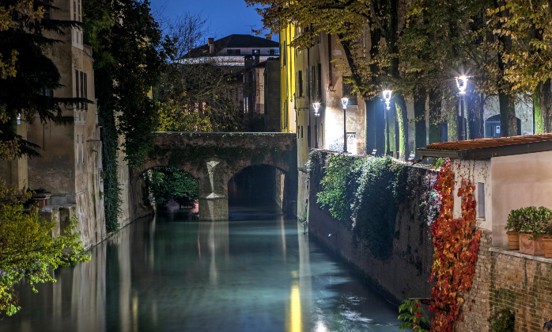
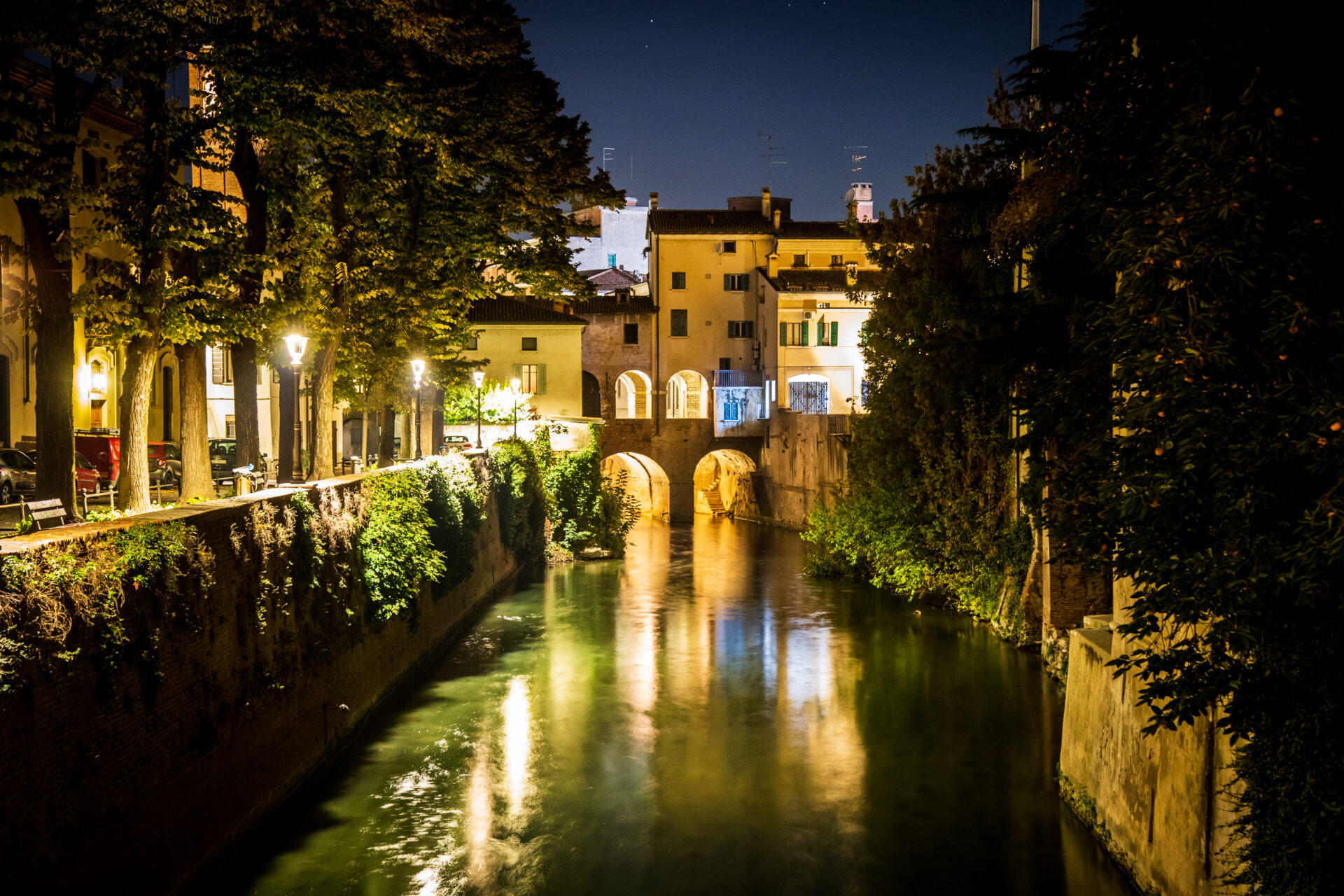
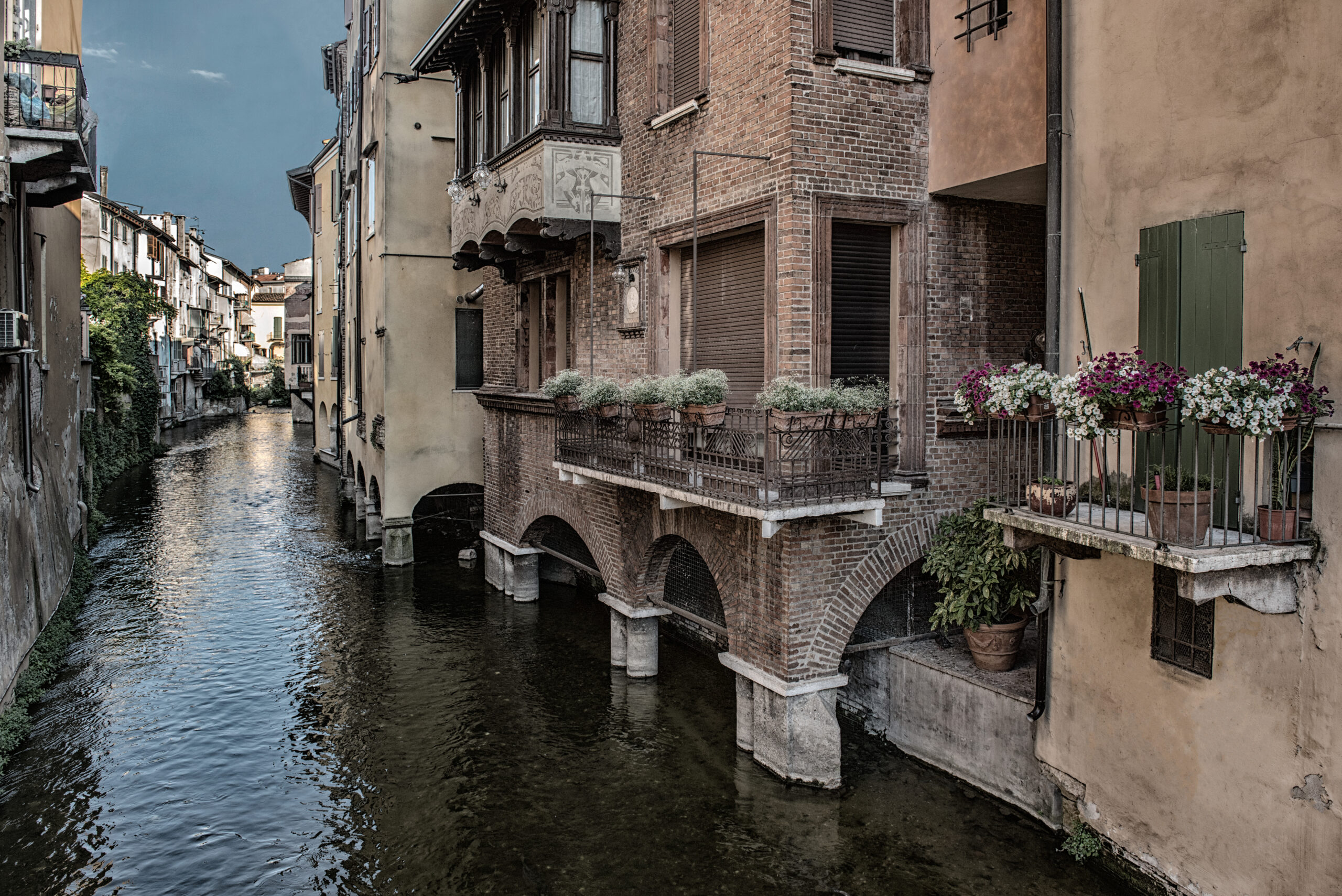
With the exception of the Lungorio, located near the Fishmongers, the only places where its waters can be observed are the bridges that still cross it: San Francesco bridge, San Giacomo bridge, San Silvestro bridge, San Domenico bridge, Massari street bridge and Arlotti bridge.
The view of the Rio from the bridges is fascinating and allows you to understand the strong bond between Mantua and the water that surrounds and flows through it.