A Renaissance masterpiece, guardian of memory
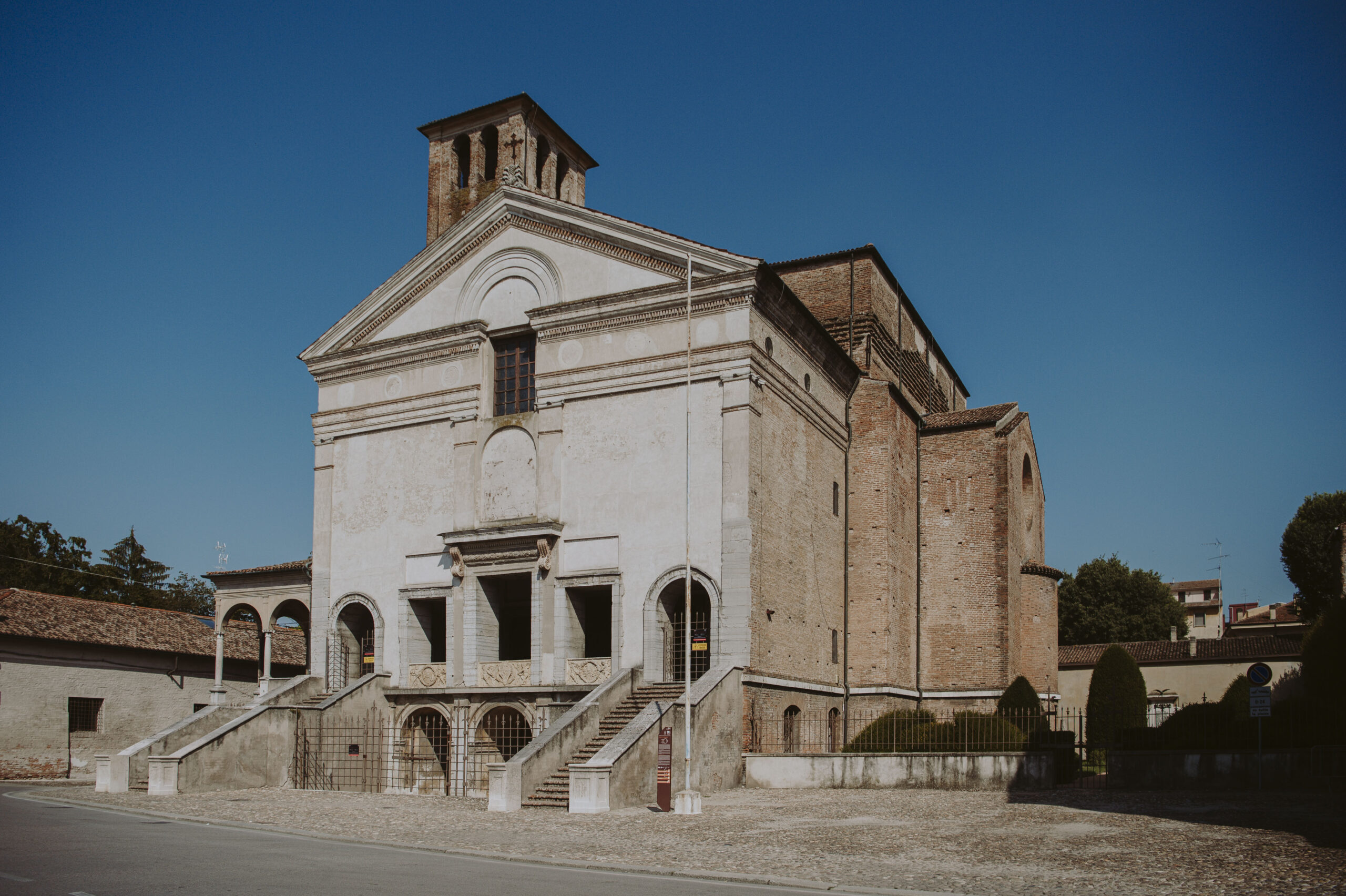
The Temple of San Sebastiano was designed by Leon Battista Alberti in 1460 by will of the Marquis Ludovico II Gonzaga, even if the reasons that led to its construction in an area then peripheral to the city are not clear (possible new family tomb or homage to Saint Sebastian, protector from the plague). With its Greek cross plan inscribed in a square with three semicircular apses, it is one of the first examples of a centrally planned church of the Renaissance.
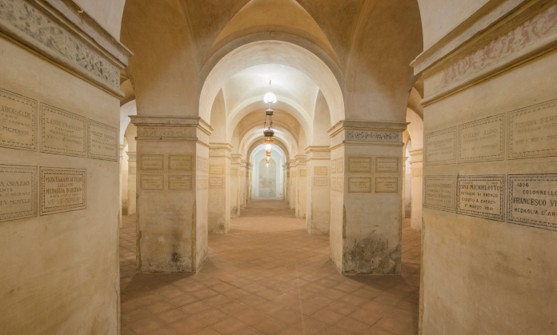
The façade, rich in refined references to Greek and Roman buildings and featuring a five-arched vestibule, was altered in 1925 when two side staircases were added during a restoration project. The interior is a single hall with three lateral apses. On the lower level, the crypt, with the same floor plan as the upper church, is characterized by a dense network of arches and pillars.
In the 19th and 20th centuries, the temple was used as a military warehouse, while from the 1930s onwards it was used as a memorial chapel for those who fell for their country; it houses the monumental tomb of some of the Risorgimento patriots of the Martyrs of Belfiore group.
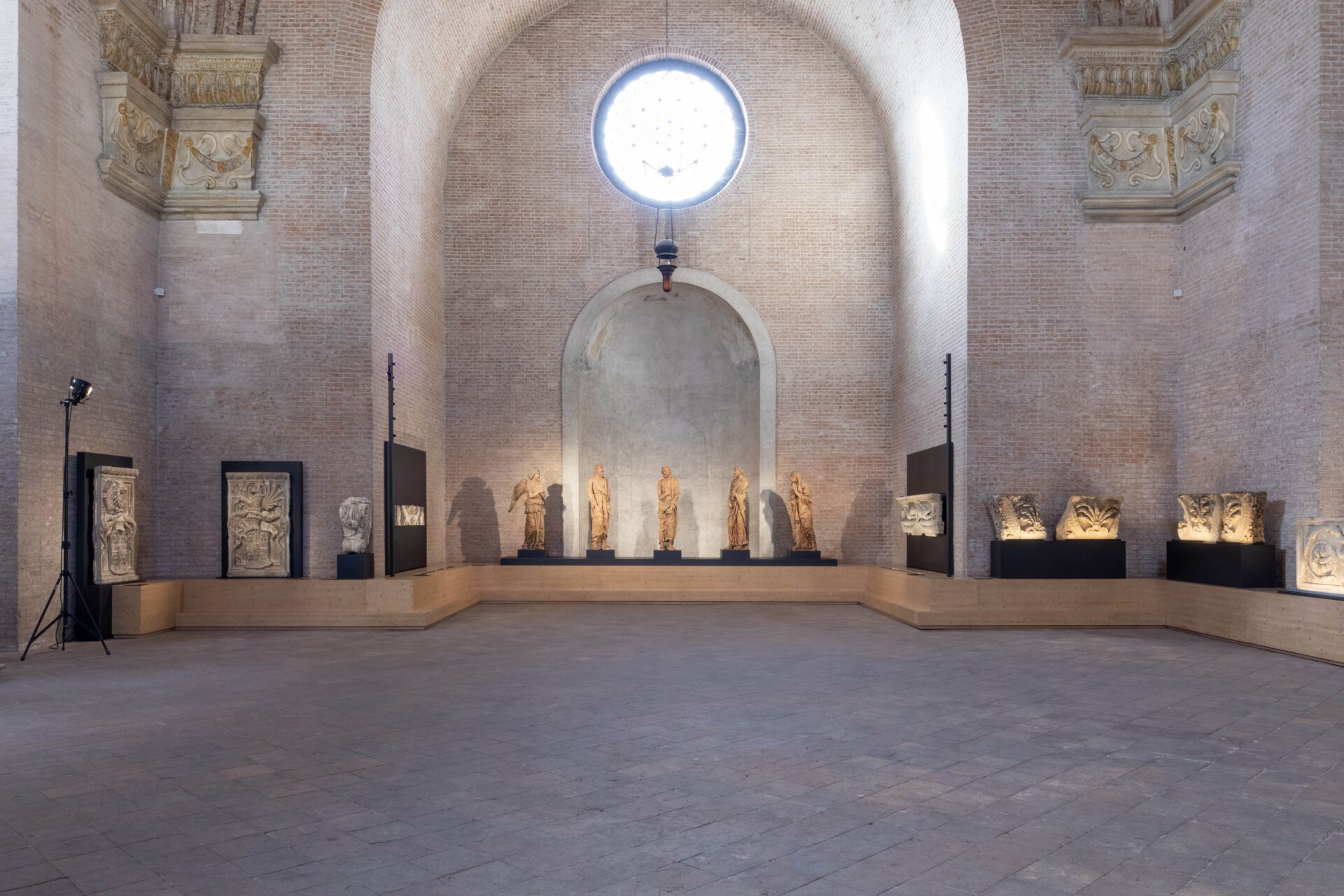
Today it is a temple dedicated to architecture and hosts a nucleus of sculptural testimonies from the Fancelli and Alberti spheres pertaining to the building itself and to the Basilica of Sant'Andrea, as well as five terracotta statues from the Mantegna school.