
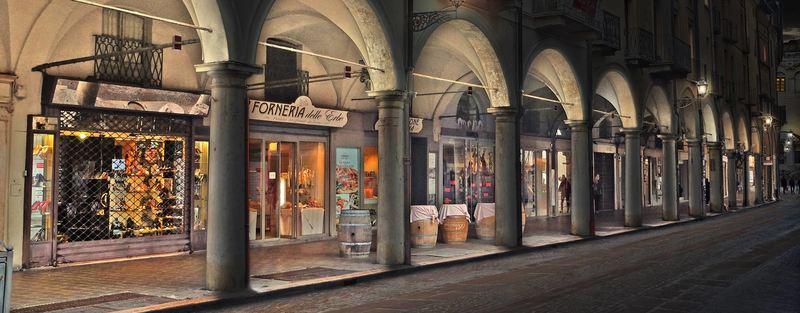
The site Mantua and Sabbioneta is registered in the UNESCO World Heritage List as representative of the main urban forms of the Renaissance. Among the characteristic elements of Renaissance cities, the porticos play an important role in the daily life of the city and its citizens.
The porticos are a private property for public useThe columns that support them are privately owned, belonging to the corresponding shops. Under the porticoes, today as in the past, businesses operate, residents stroll sheltered from the elements and the sun, meet and stop at café tables, often unaware of the important artistic and cultural heritage they are interacting with. A thousand daily gestures, dictated by habit, leave marks that are difficult to erase and, over time, lead to a widespread state of decay.
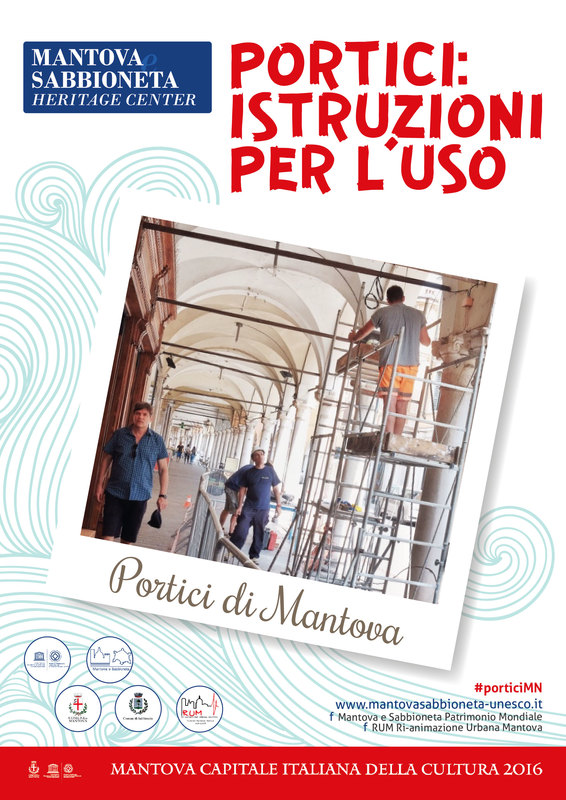
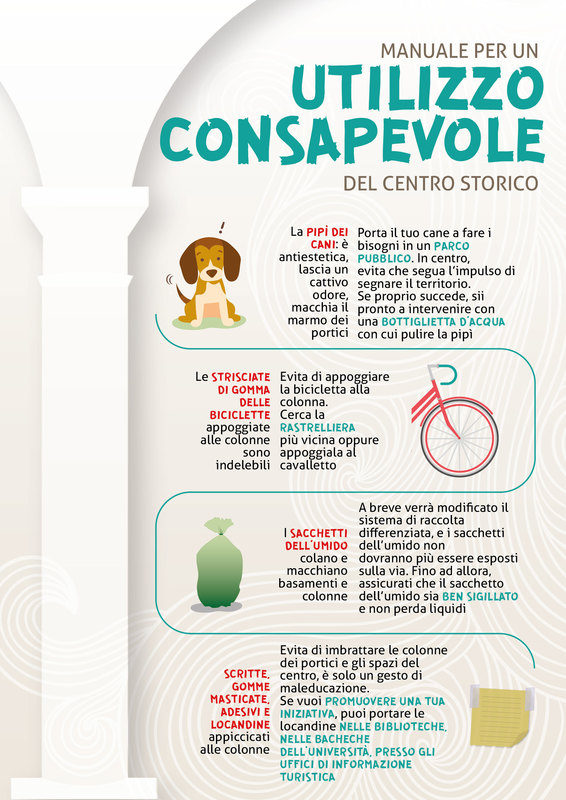
As noted during the analysis and monitoring phase of the degradation phenomena, the main causes of the damage found derive from the bad behavior implemented by citizens and tourists:
Dog urine on the bases of columns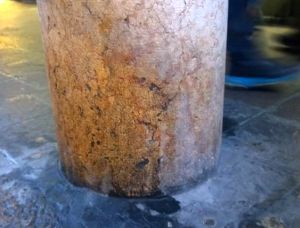
Bicycle tires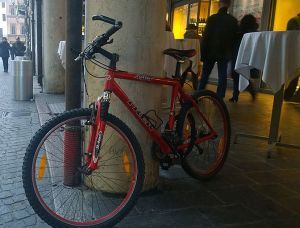
Signs, flyers, stickers, chewing gum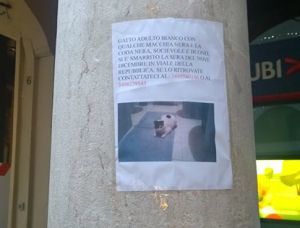
Leaking and staining organic waste bags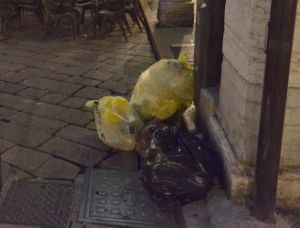
Even if these may seem, individually, to be trivial actions, when repeated over time they determine permanent degradation phenomena.
To remove the marks left behind, a complex and costly cleaning and recovery process is required.
The actions required to clean surfaces are always invasive. Although the most modern and sophisticated cleaning methods minimize negative effects, it is often necessary to use chemical or mechanical systems that inevitably erode the materials.
Take care of our World Heritage!