Deep Surfaces. The exhibition organized in Venice on UNESCO sites around the world also speaks Mantuan.
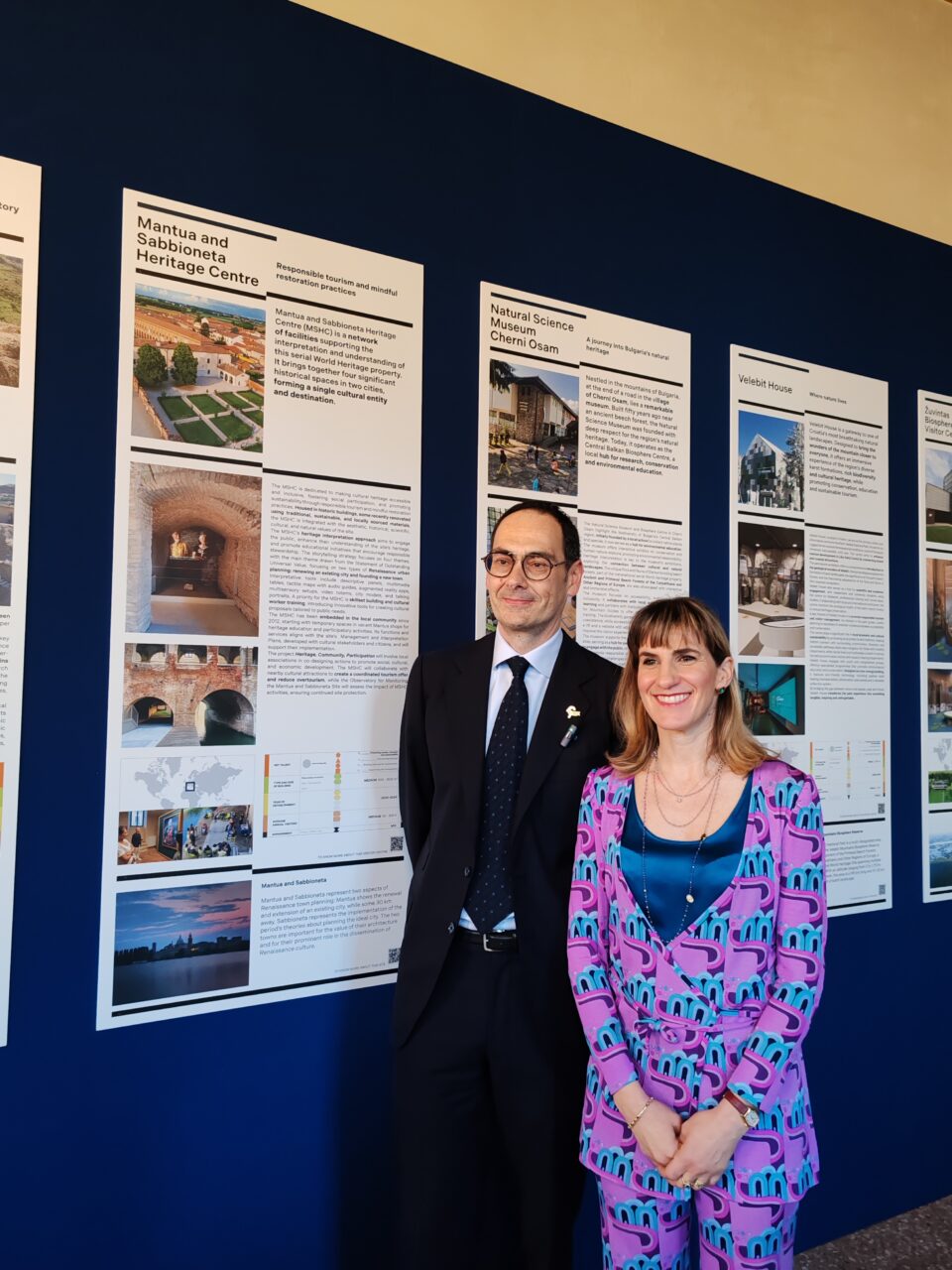
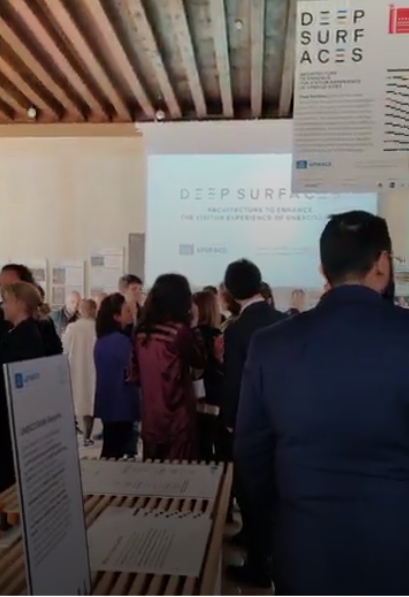
“Mantua and Sabbioneta” is one of the two Italian sites (the other is “Ivrea. Industrial city of the 20th century”) participating in the exhibition Deep Surfaces, Deep Surfaces, an exhibition organized by UNESCO, in collaboration with the Royal Commission for AlUla (RCU), inaugurated in Venice Friday, May 9th at Palazzo Zorzi, seat of the UNESCO Regional Office for Science and Culture in Europe.
The exhibition will remain open to the public with free admission from May 10 to November 23, 2025.
“Deep Surfaces: Architecture to Enhance the Visitor Experience of UNESCO World Heritage Sites”" aims to showcase the experiences and best practices of UNESCO designations around the world through a selection of more than 50 Visitor Centers. Visitor Centers have the potential to serve as privileged structures for the narration of UNESCO sites, including World Heritage sites, Biosphere Reserves, and Global Geoparks, with the aim of enhancing the visitor experience and serving as learning environments to address contemporary challenges, from sustainable development to global citizenship.
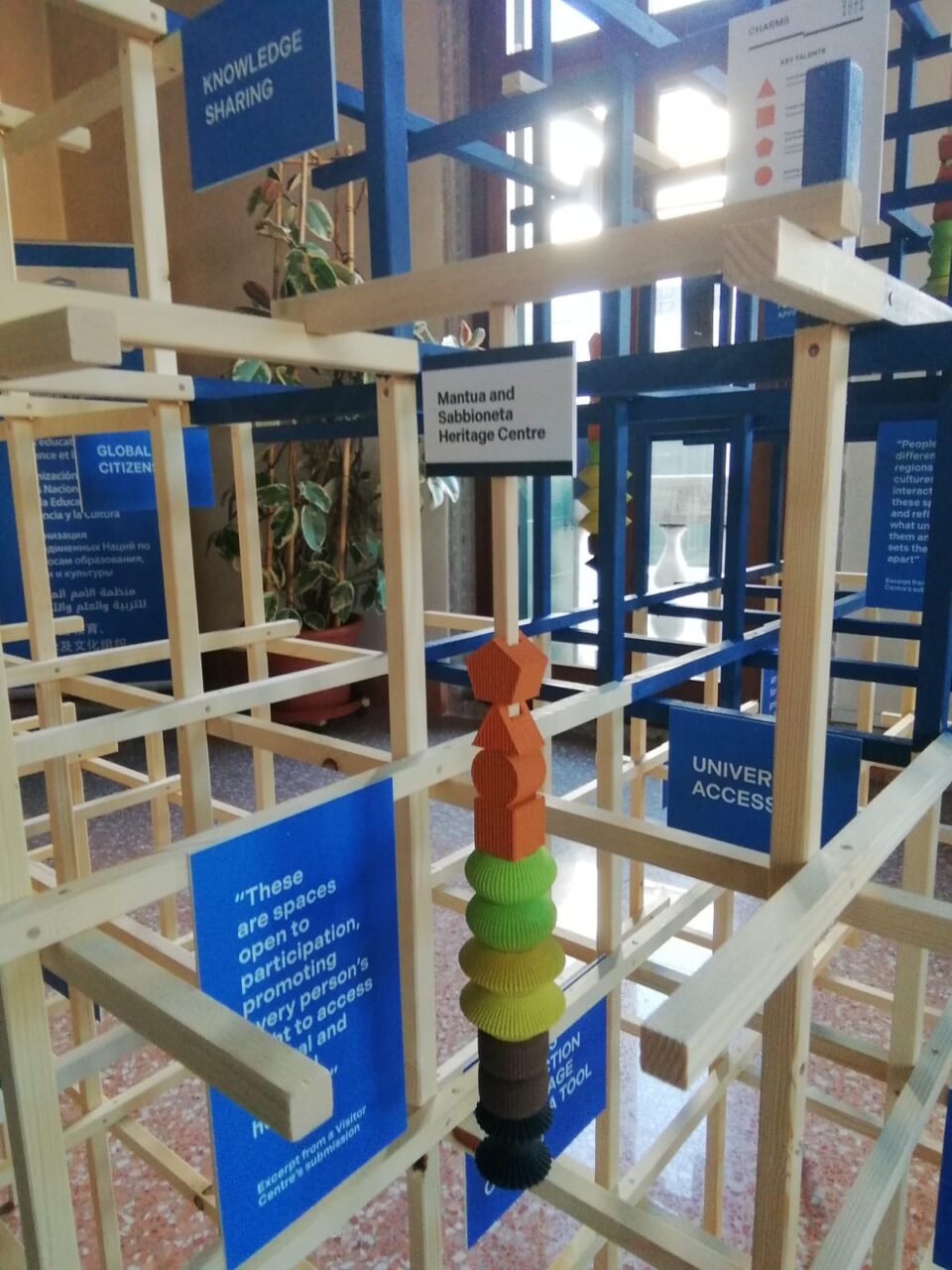
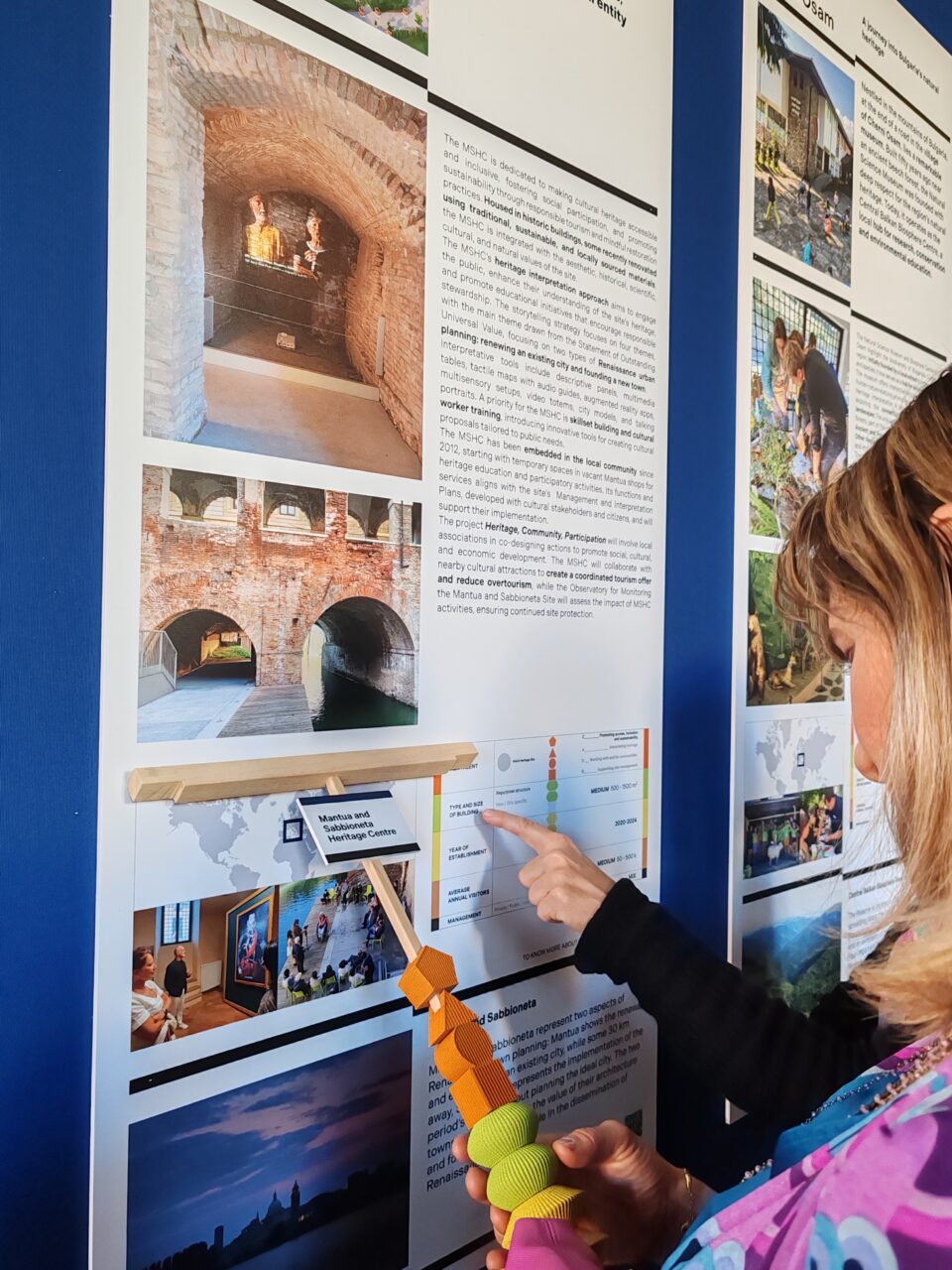
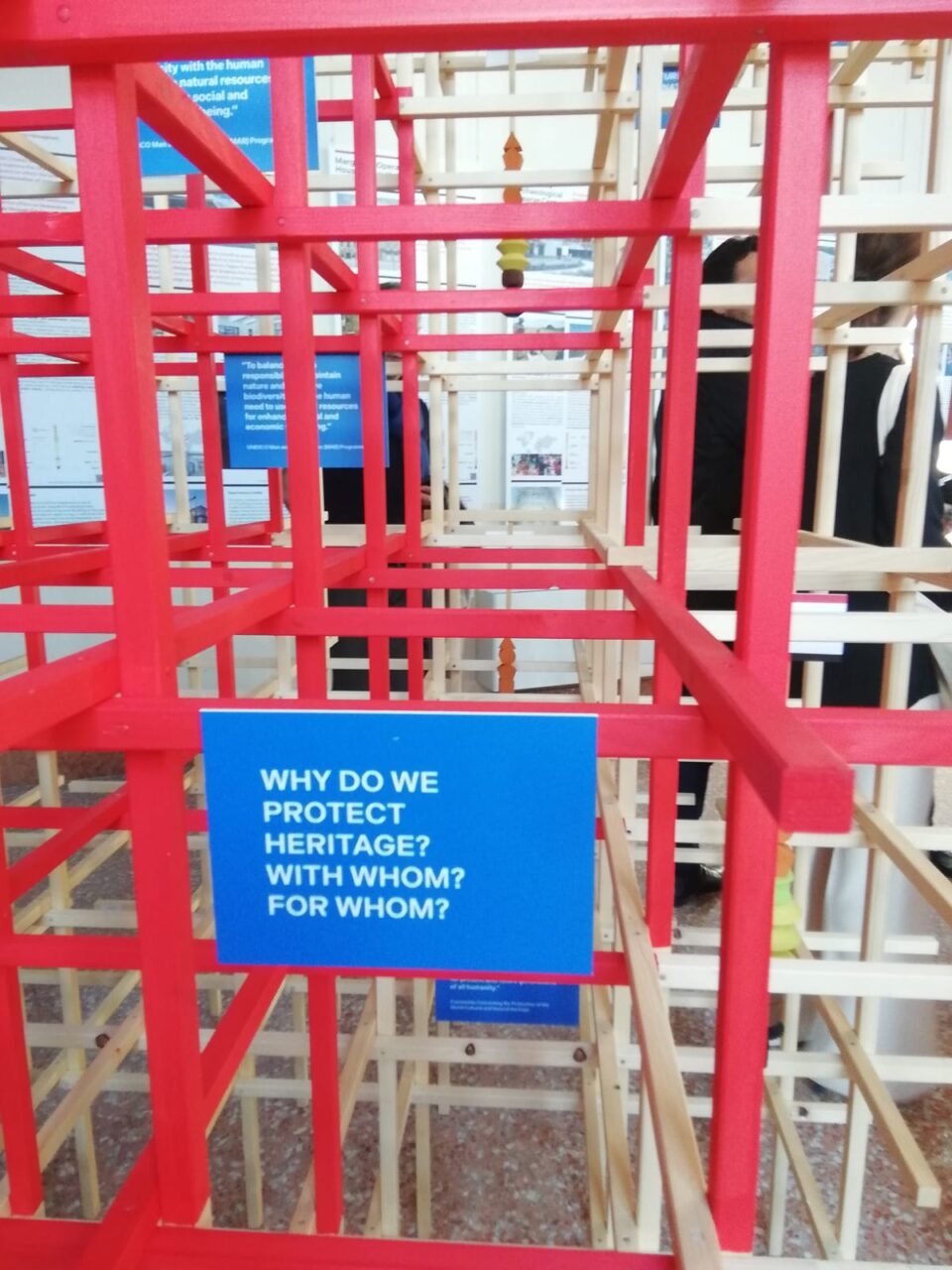
Through panels and physical and multimedia installations, the exhibition introduces the global values and objectives of UNESCO, before moving on to the varied world of Visitor Centres.. The exhibition explores the variety of architectural choices identified, from new constructions to converted historic buildings, and addresses the main thematic areas of intervention: Heritage Interpretation; Support for Site Management; Promoting Access, Inclusion, and Sustainability; and Working with and for Communities.
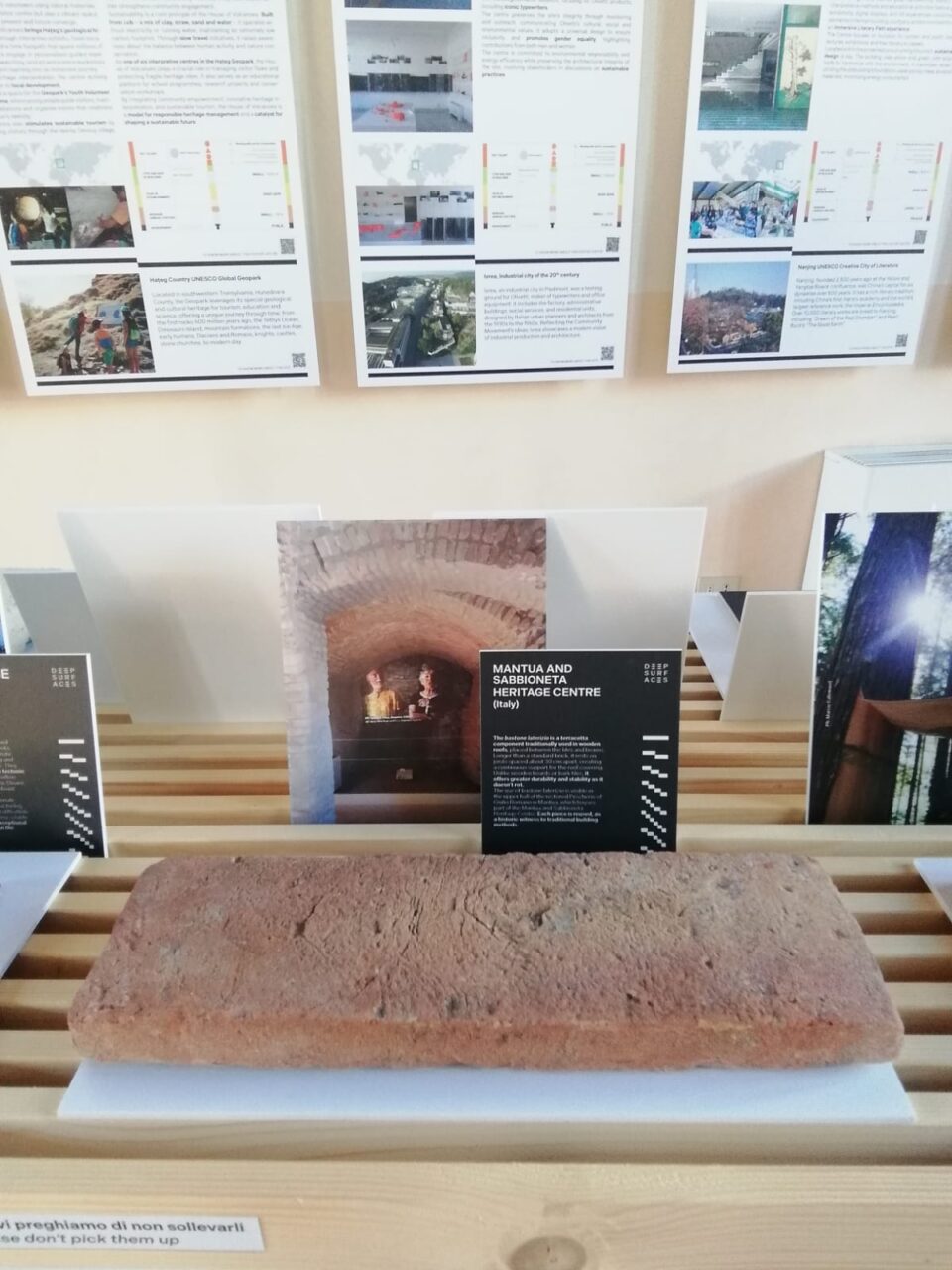
In the Material Library, the installation displaying samples of building materials used in the participating Visitor Centres, the Mantua and Sabbioneta Heritage Centre will be represented by a “brick stick” coming from the Giulio Romano fish market, an original terracotta element used in the roof covering. It will be reused in the restoration carried out by the Giulio Romano's Fishmongers Foundation, thus preserving the historical testimony of a traditional construction system. In its simplicity, it is a highly symbolic element, characterizing the architecture not only of this building, constructed primarily of plastered brick and wood, but also of much of the city.
The exhibition, a collateral event of the 19th International Architecture Exhibition – La Biennale di Venezia, represents a very important international opportunity to promote our UNESCO site, recognizing an ongoing journey aimed at attracting an ever-increasing audience seeking quality cultural offerings.