Born to host wonders
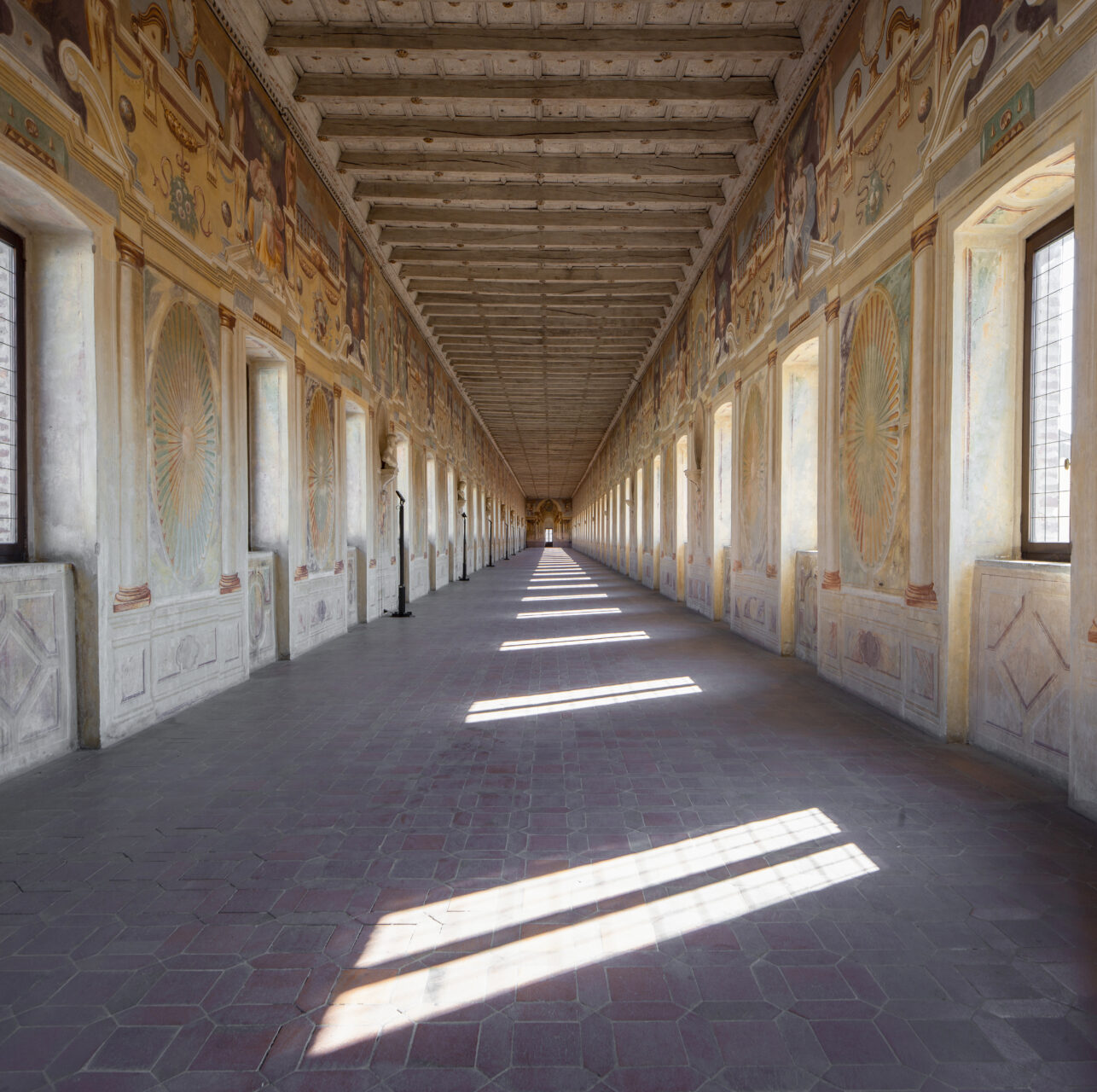
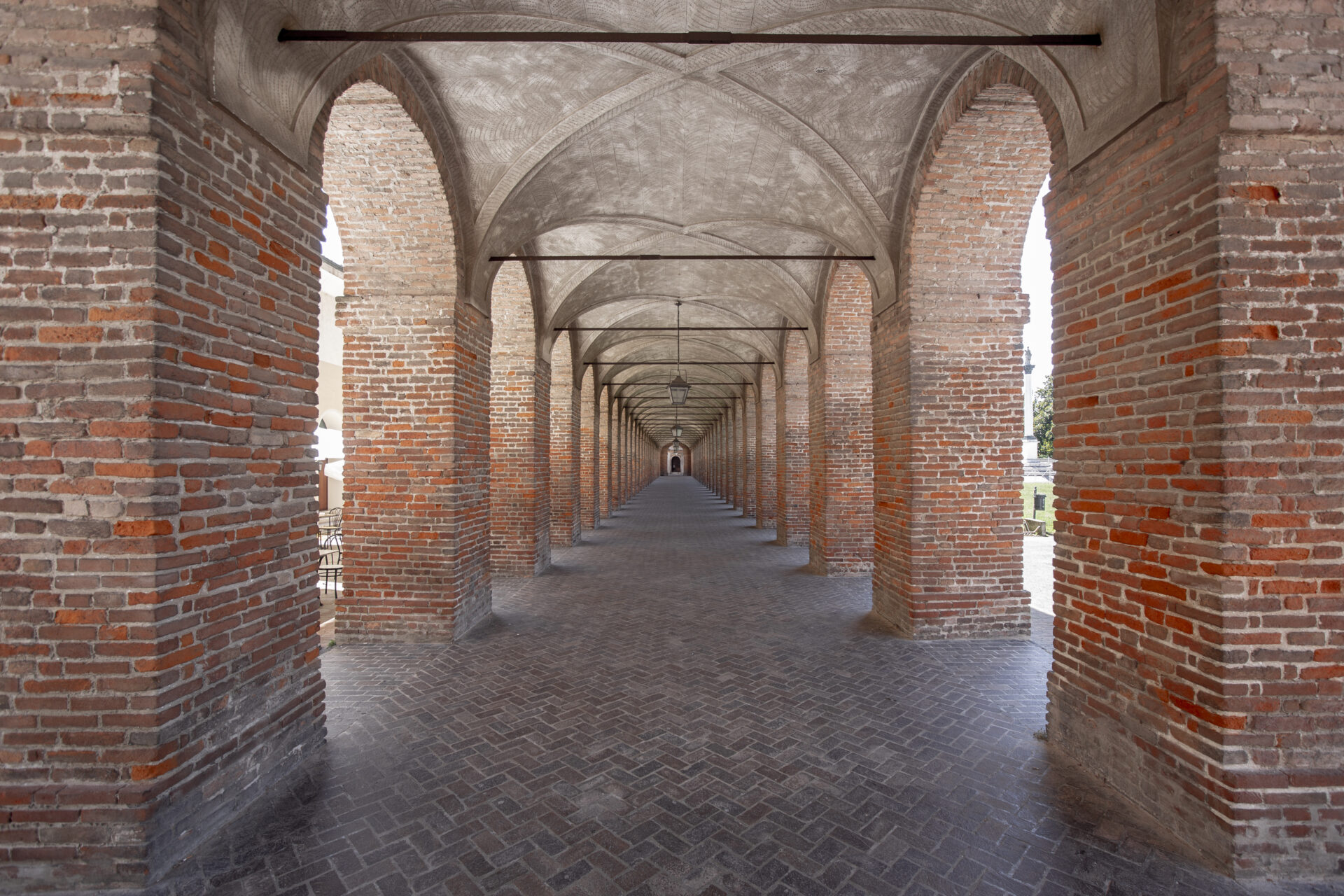
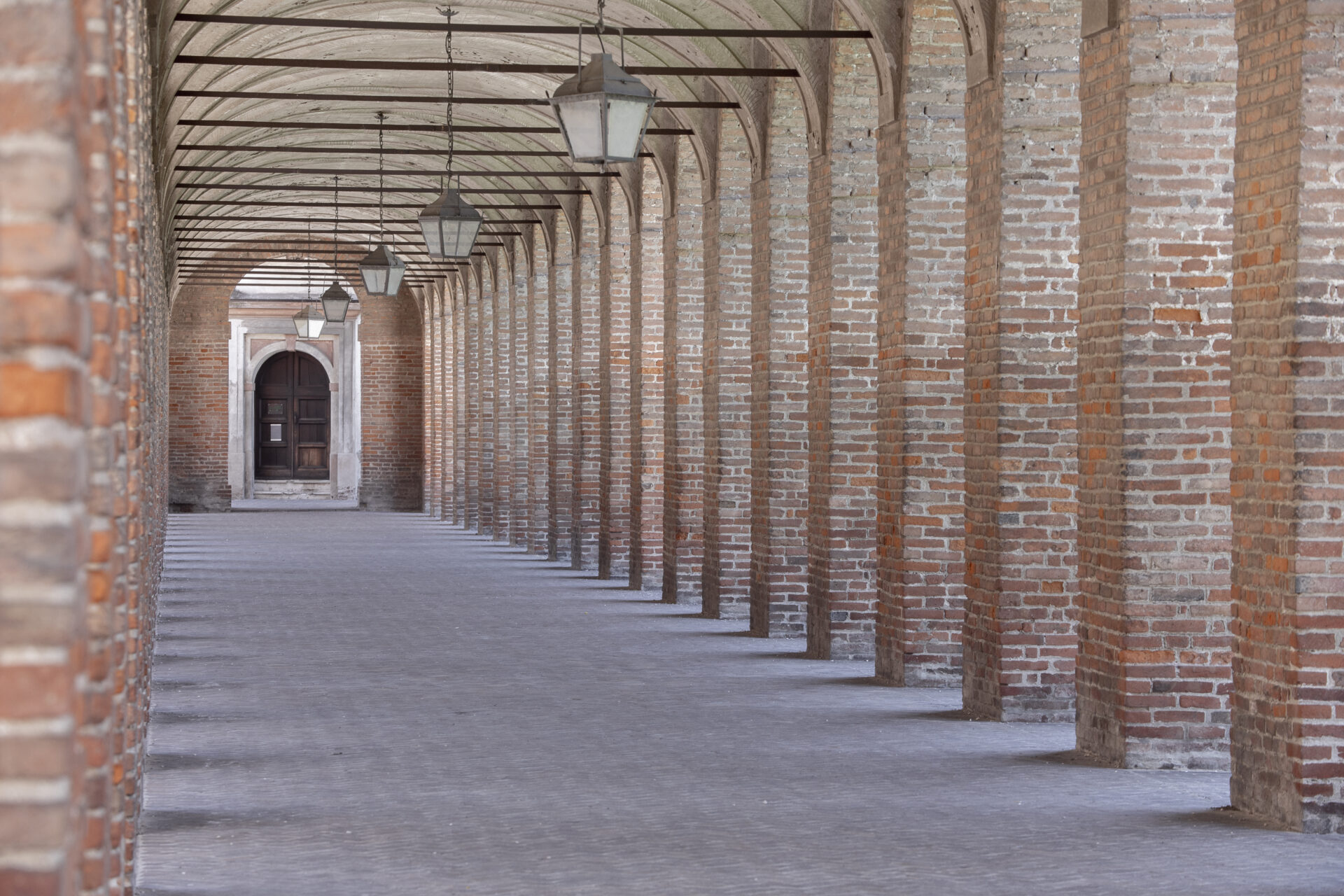
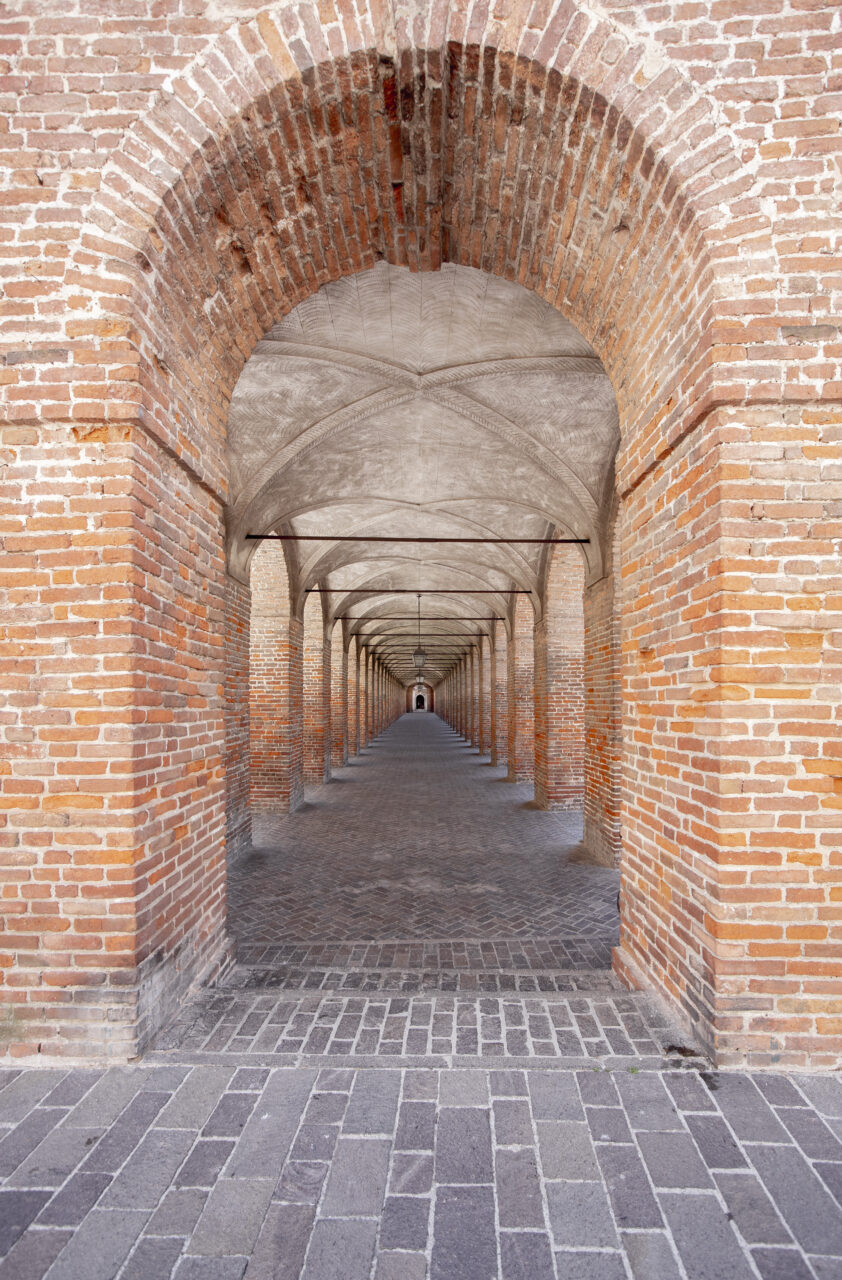
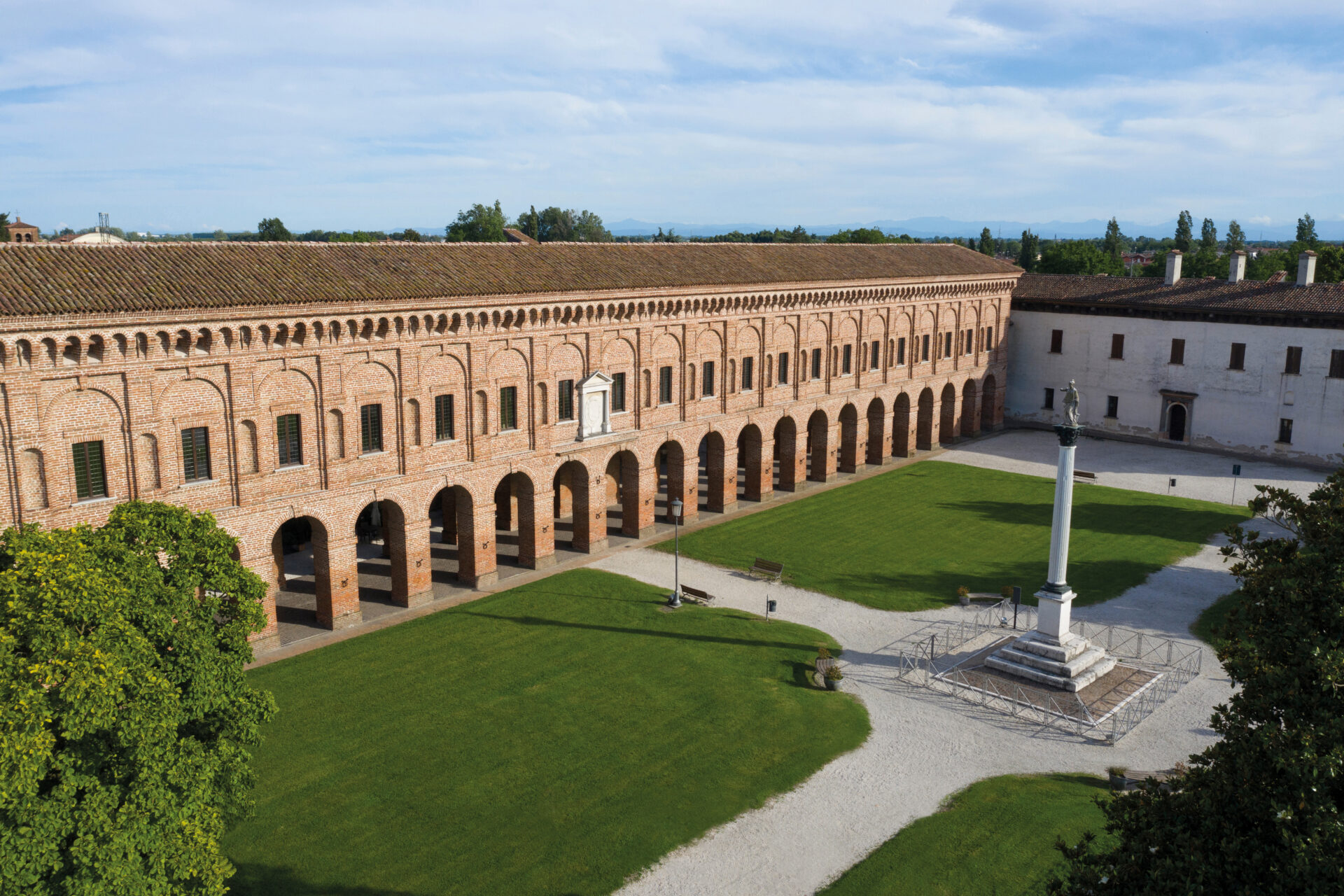
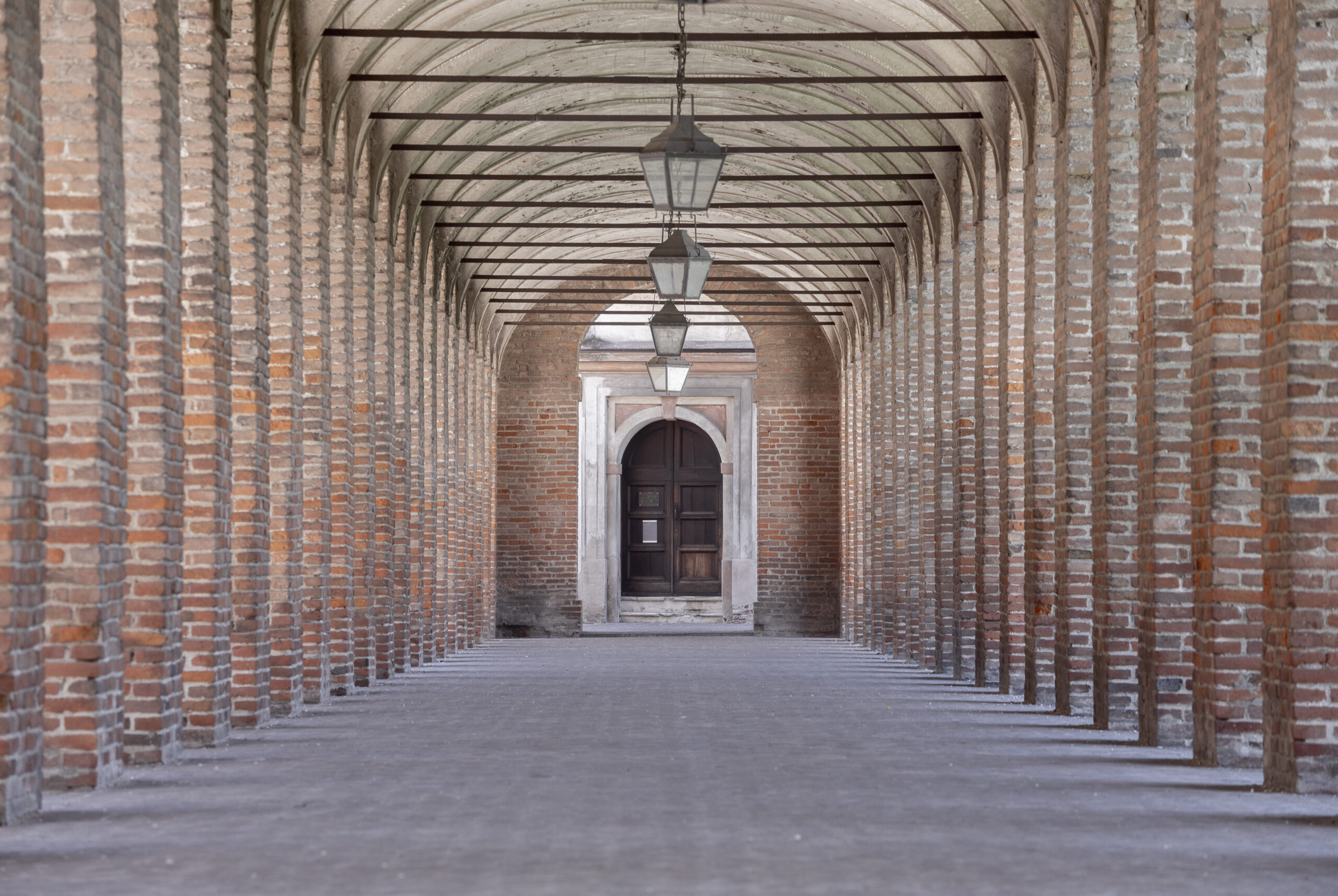
Directly connected to Palazzo Giardino is the Gallery of the Ancients, also called Great Corridor. 97 meters long, with its twenty-six stone arches at street level, it is the second longest gallery in Italy after the Uffizi Gallery in Florence.
Built between 1583 and 1586, it was intended to house the collection of antiquities that Vespasian purchased upon his return from Spain.
The pieces of the collection were confiscated in 1774 by order of the Austrian administration and transferred to the Academy of Fine Arts in Mantua. Today the marbles are exhibited in Mantua in the Galleria della Mostra in Ducal Palace and in the MACA – Palace of San Sebastiano.
A long series of allegorical representations
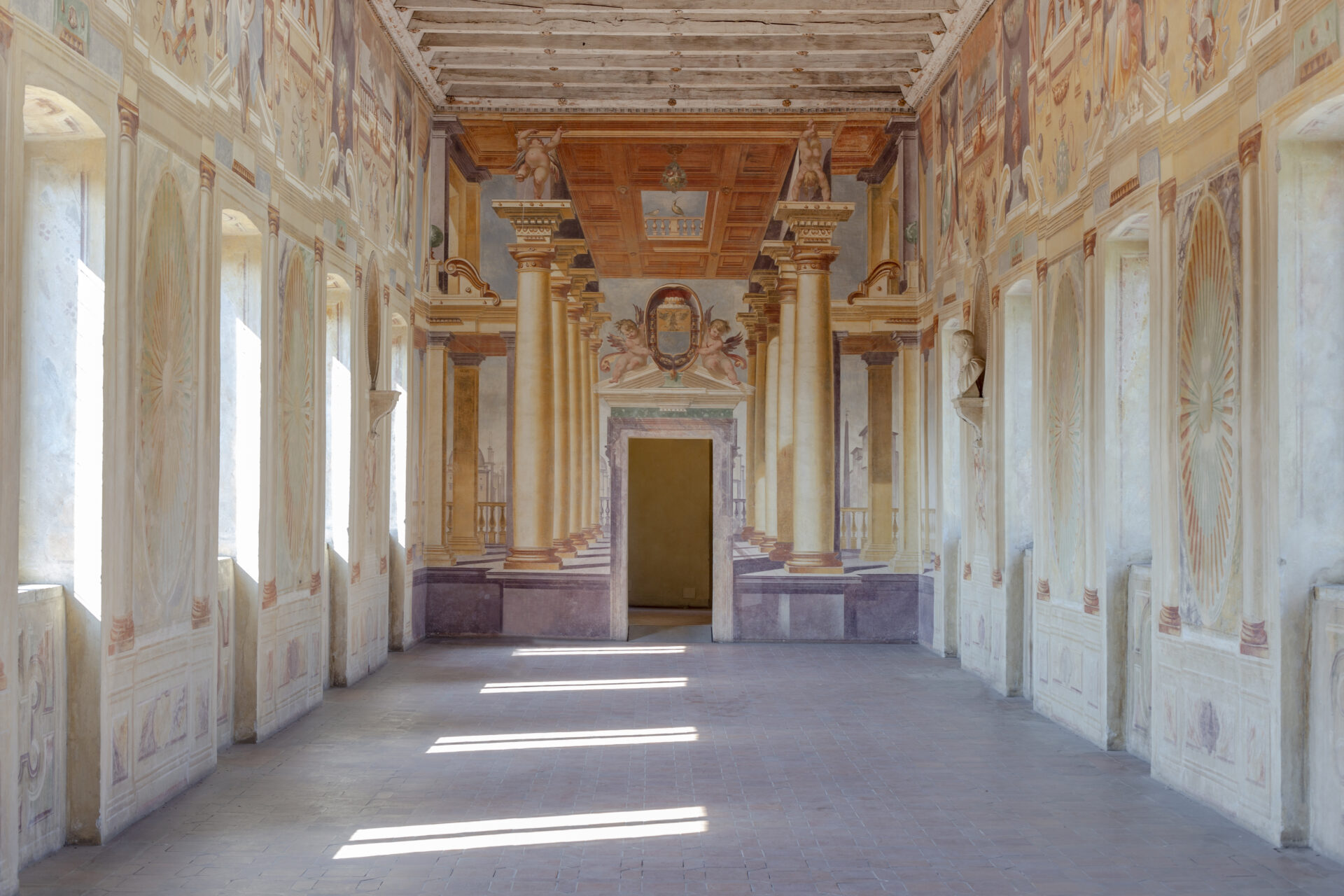
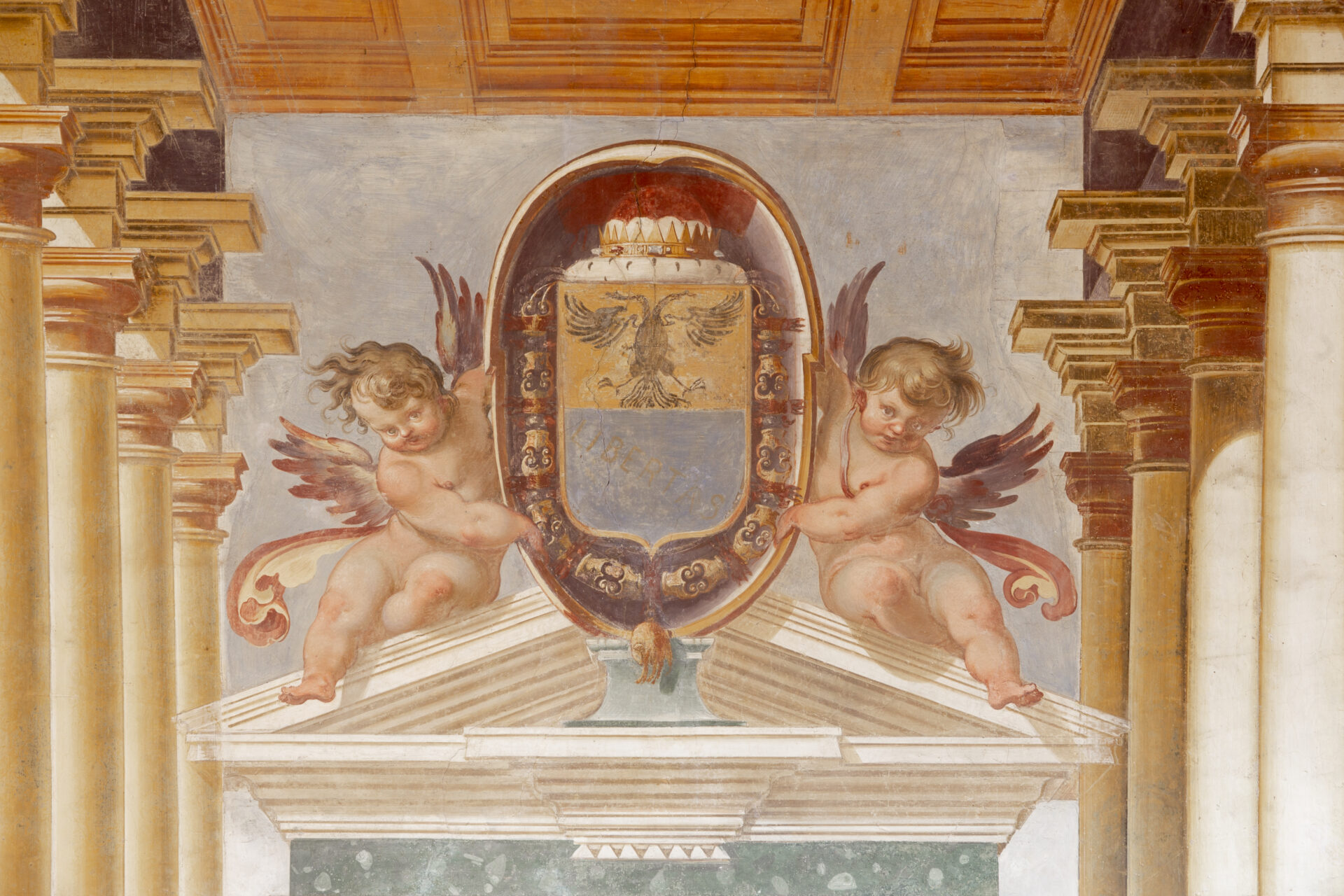
The long corridor of the Gallery of the Ancients It is entirely decorated with frescoes, created in 1587 by Giovanni and Alessandro Alberti and some of their collaborators, who painted the perspectives on the short sides and the allegorical figures on the long walls. Among these, prominent figures include Victory, Kindness, Peace, the four seasons, and the ever-present Cybele, already present in the Teatro all'Antica, protector of fortified cities. On the opposite wall, the Theological Virtues—Faith, Hope, and Charity—are displayed, along with the Cardinal Virtues: Justice, Temperance, Fortitude, and Prudence. Fame and Modesty complete the cycle, as well as the Liberal Arts, represented by Geometry, Music, Poetry, and Astronomy.
There Vespasian's collection, between classical art and hunting trophies.
Overall, Vespasian's Museum housed 50 statues, 160 busts, and 80 bas-reliefs, all from the Classical Age. Among them, hunting trophies stood out: 20 antlers were received as a gift from Emperor Rudolf II of Habsburg, and Vespasian had them placed in the Gallery of the Ancients, among the statues and epigraphs, testifying to the deep bond that unites the Duke of Sabbioneta to the emperor.
Among the most valuable objects is the front of a sarcophagus dating back to the 2nd century AD, bought in Rome in 1583, which narrates the myth of Adonis; the Satyr playing, Roman copy from an original by Praxiteles.