Public clock and watchtower
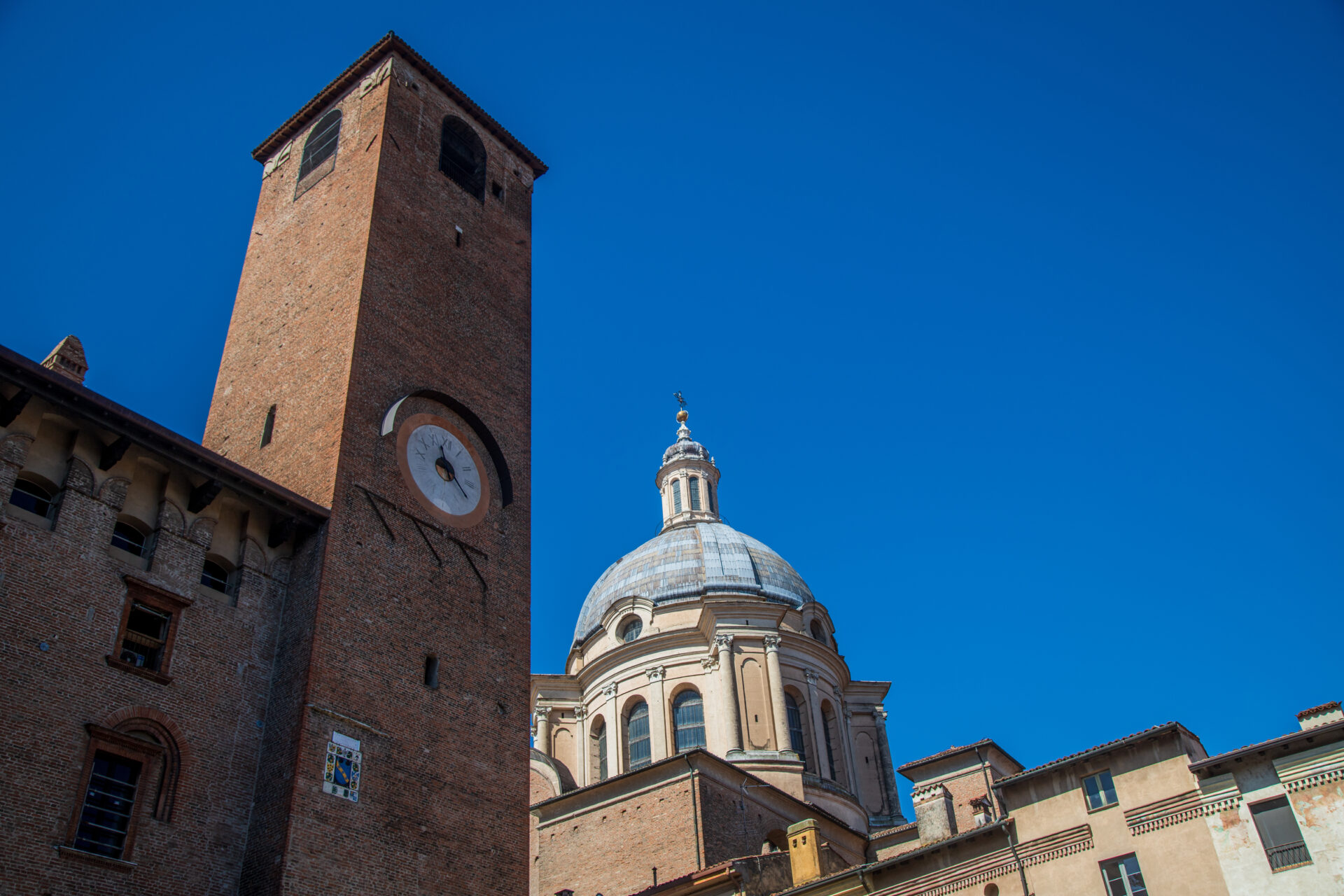
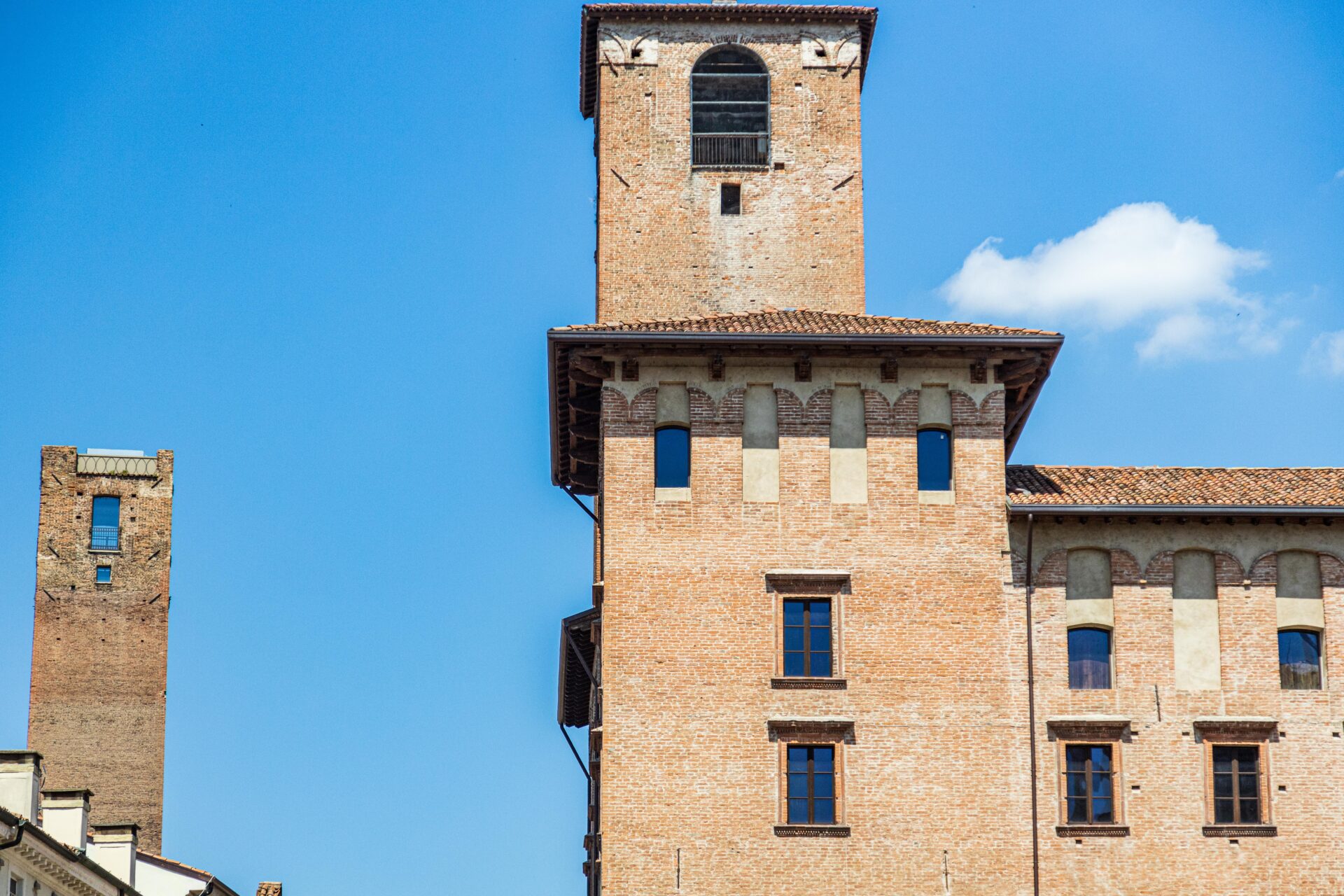
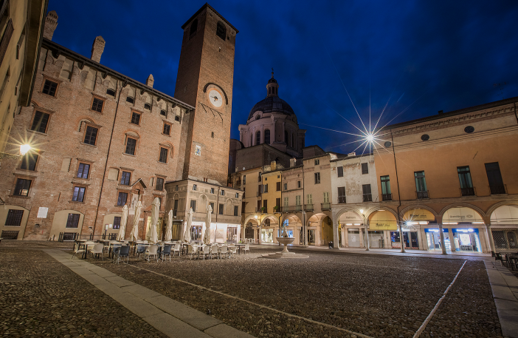
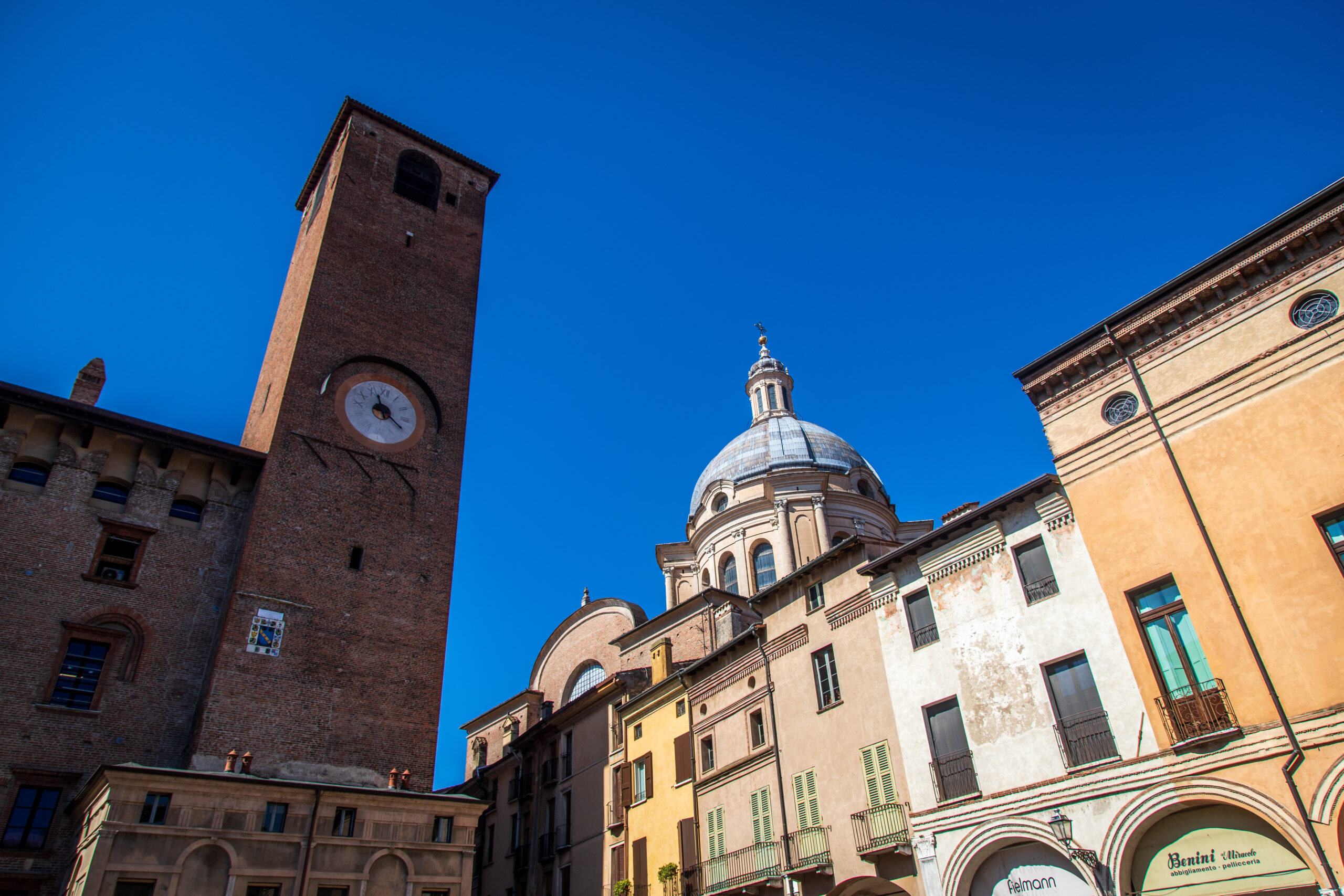
It had many functions: at 47 meters tall, it was a perfect lookout and a landmark for city life; in fact, its bell signaled solemnities and dangers, summoning the people of Mantua to action. In the 15th century, the tower housed the first public clock, hence its name, and a sundial that served to correct the motion of Bartolomeo Manfredi's mechanical clock.
There Tower of the Hours It is also called the Podestà's Palace because it was built in the same years and next to the Palazzo del Podestà. Both were commissioned in 1227 by Laudarengo Martinengo.
The coats of arms of the most important podestàs once stood along the sides of the tower, but chronicles report that at the end of the 18th century, a group of rioting citizens tore down and broke many of these tombstones. Today, only one remains; the original is kept inside the Virgil Museum, in which the coat of arms of the Podestà Ginori from 1494 can be recognised.