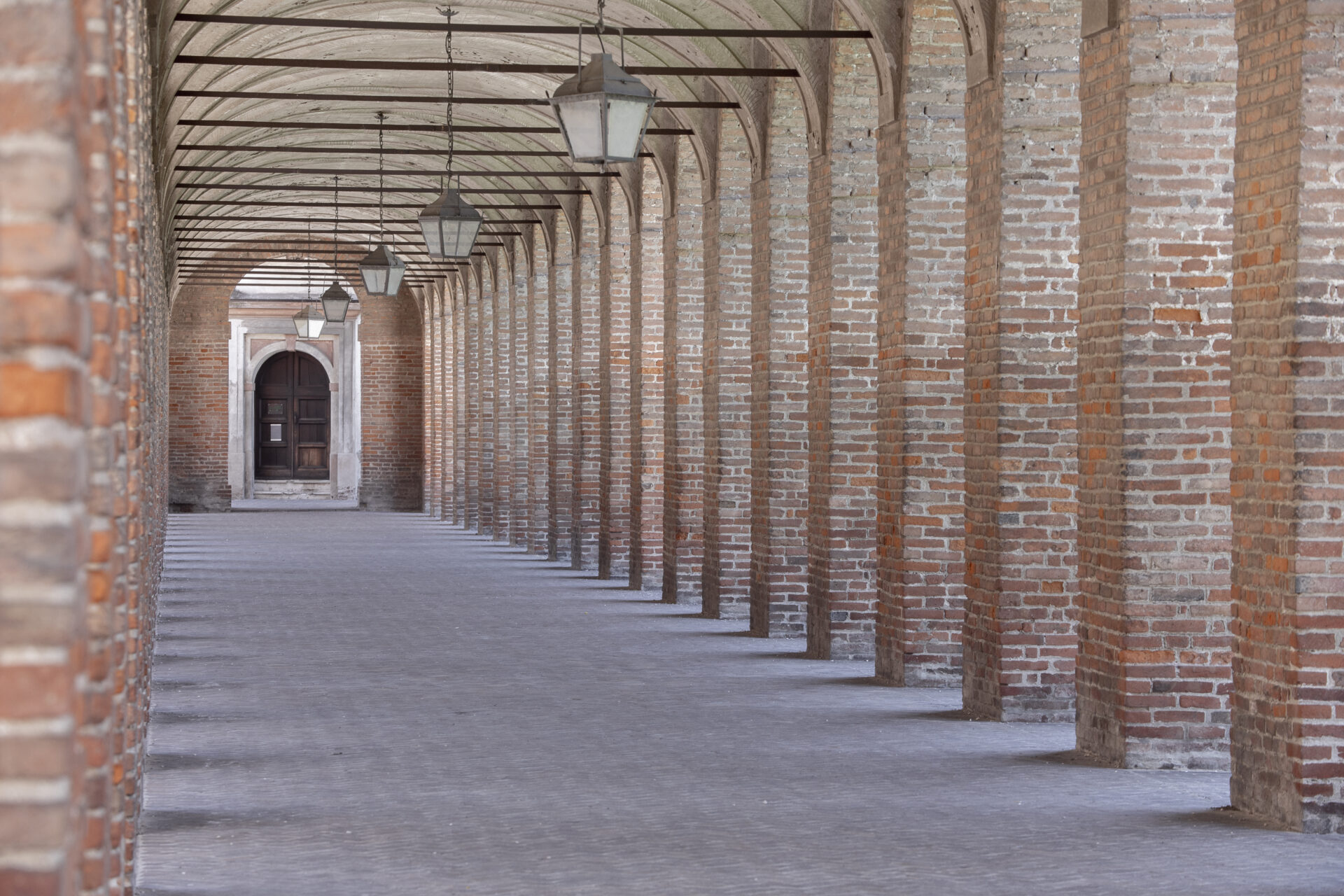
During the Renaissance Idleness was not a simple escape, but an essential part of the culture of living. Here the lesson of Machiavelli's Prince comes to fruition:’otium It becomes a strategic tool, not merely a place of rest, but a time chosen to think, observe, and thoughtfully consider governance. A ruler worthy of the name must master the art of war as well as that of government, but it is precisely in spaces of quiet and contemplation that one hones one's ability to decide, foresee, and master events.
The pleasure of leisure, oriented toward knowledge and culture, thus parallels the exercise of power, military practice, and political responsibilities. From this vision arises the need to create or transform places dedicated to’otium: spaces where the lord could retreat and dedicate himself to more cultured and refined activities, far from the rigors of official circles.
Vespasian Gonzaga He did not deviate from this idea in the construction of Sabbioneta: the duke not only conceived a perfectly ordered city, a symbol of his authority and culture, but he enriched the area with delightful villas, gardens, and spaces reserved for intellectual pleasure. Here, the man of government became a man of the court, as Machiavelli hoped: a prince capable of alternating time for political decision-making with time for reflection, contemplation, and strategic thinking.
Find out more
Garden Palace
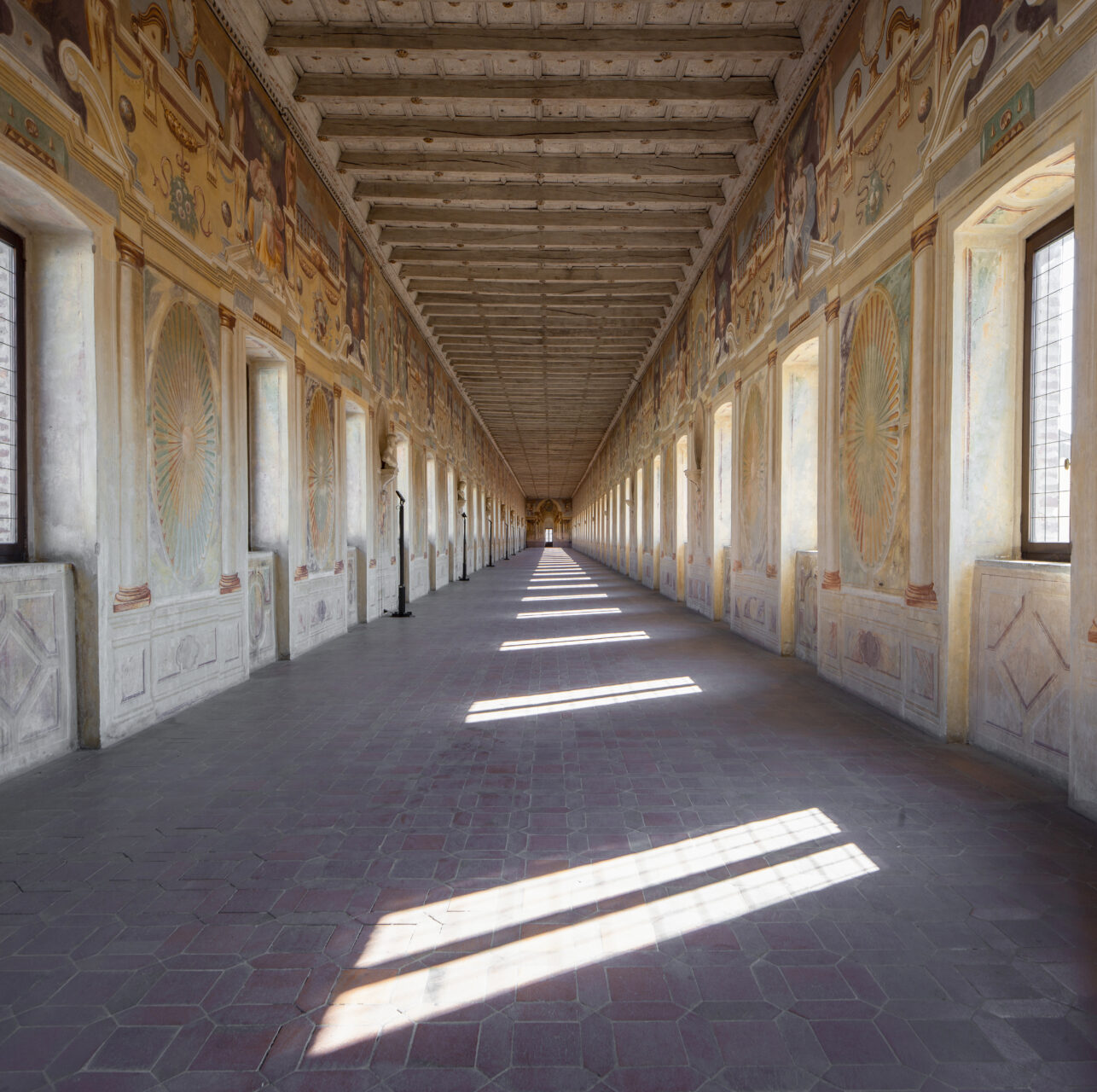
Gallery of the Ancients
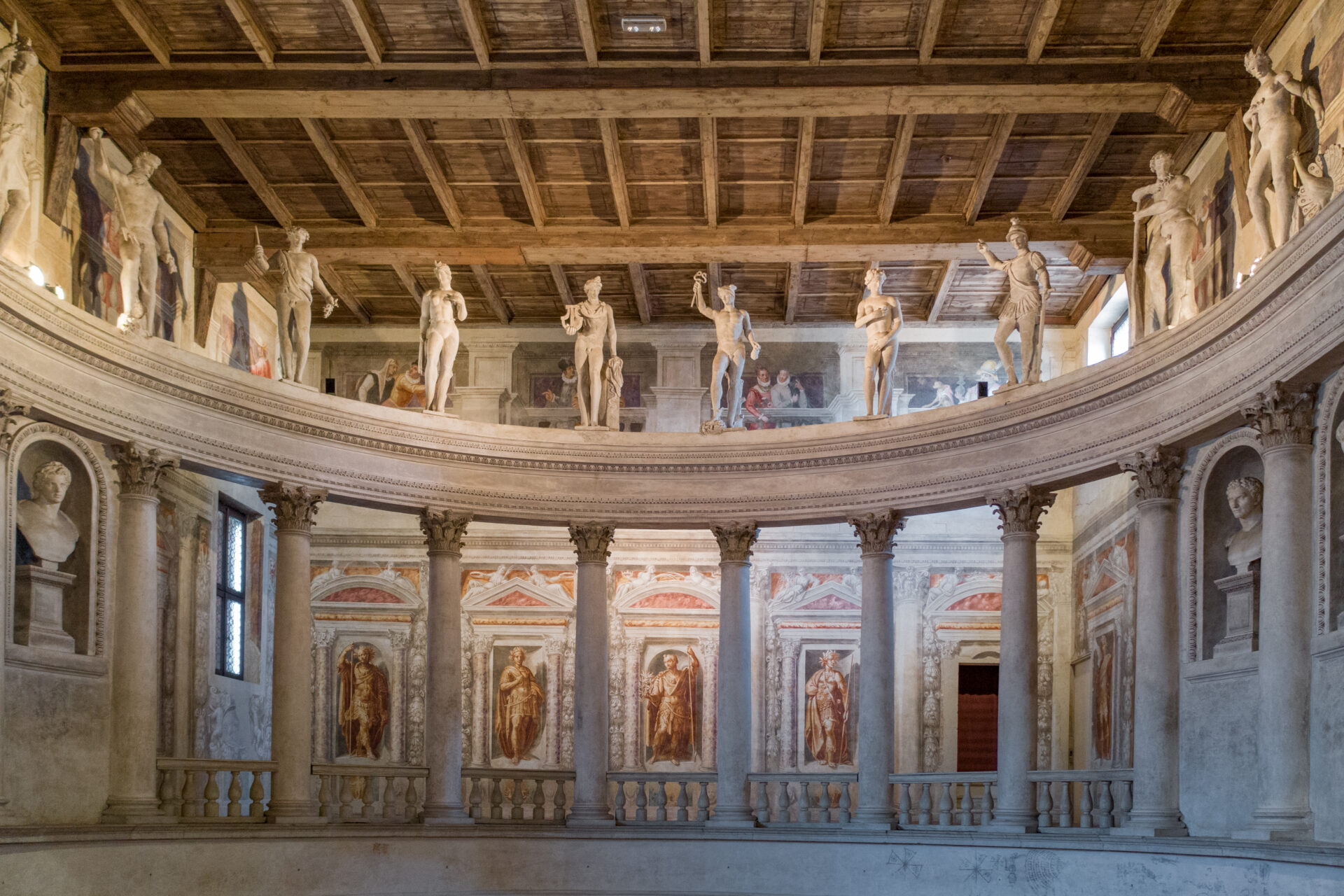
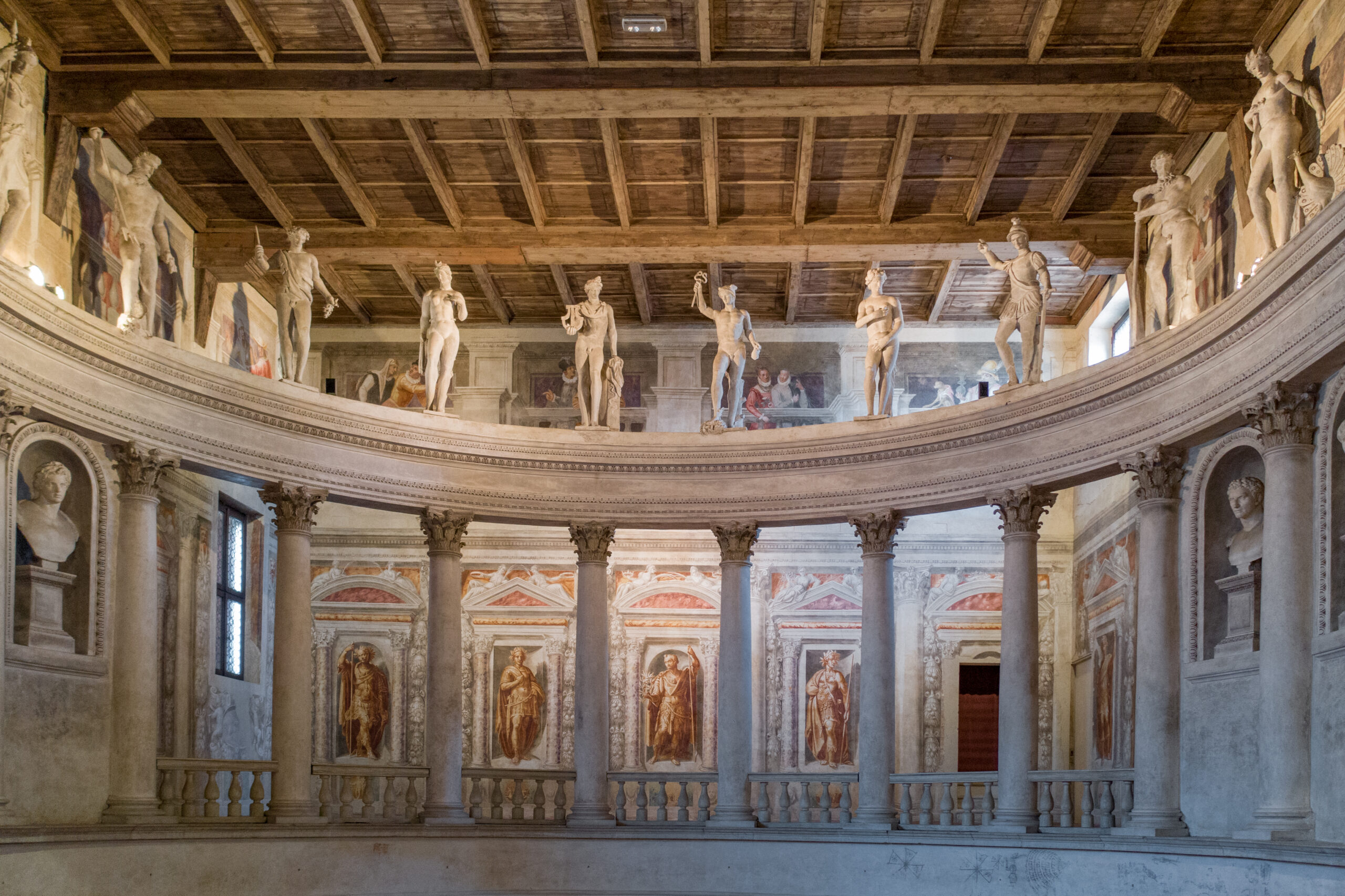
Ancient Theater