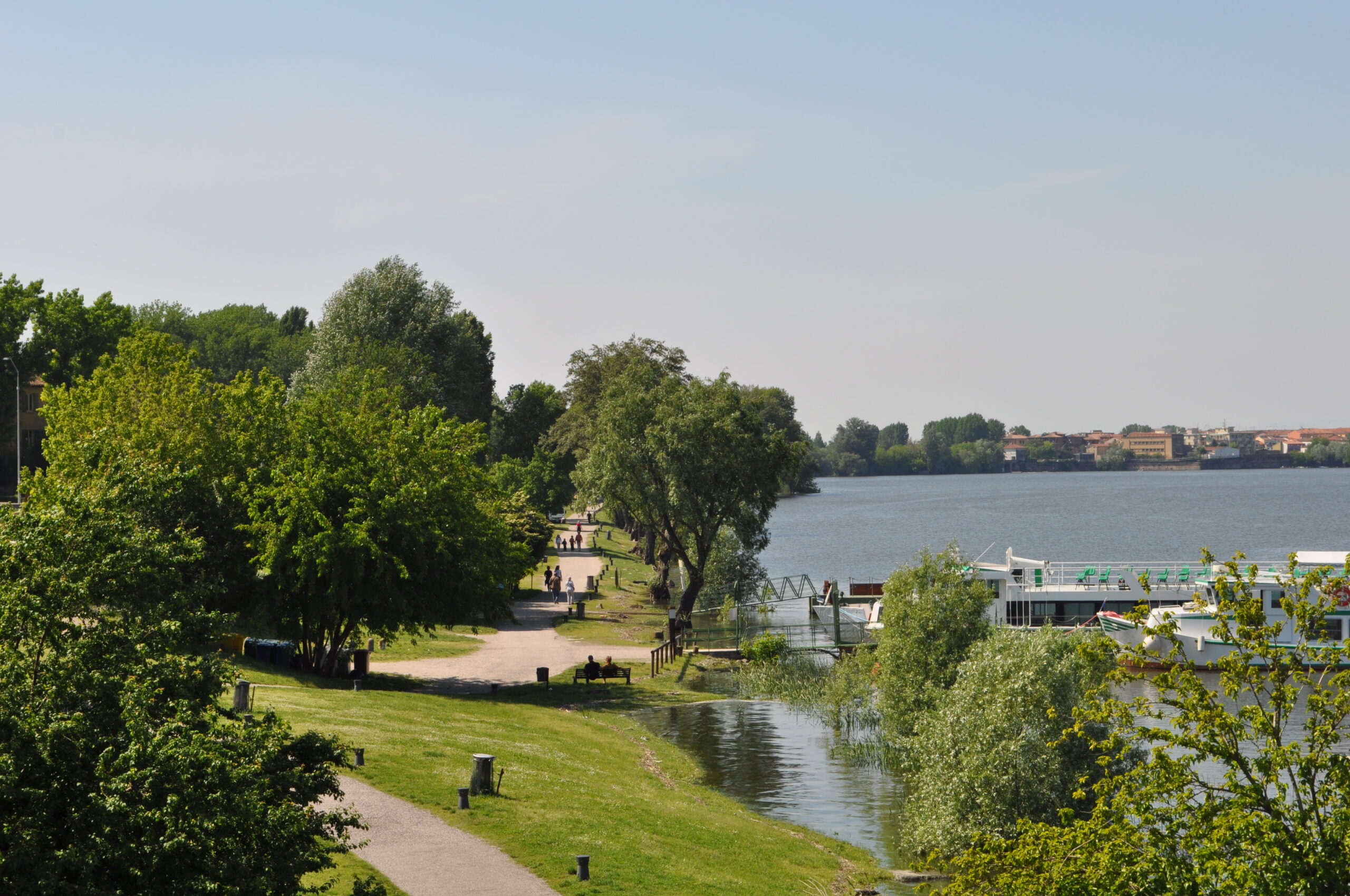
Mantua represents an extraordinary example of urban transformation, in which the natural conformation of the territory has been progressively shaped and enhanced to meet the needs of daily life, production, and trade.
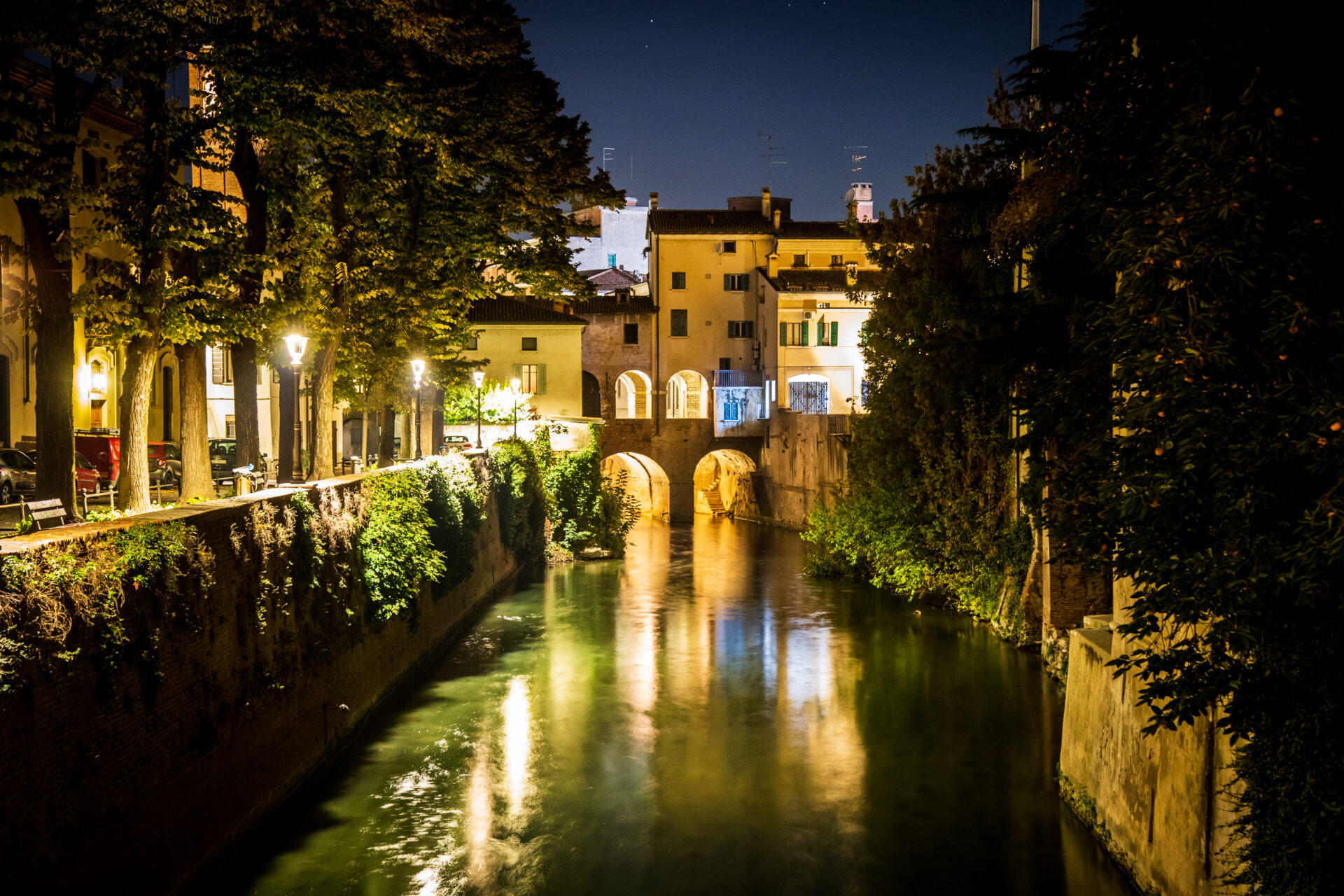
Since the Middle Ages and, even more so, during the Renaissance, the city has transformed the presence of water from a simple natural element into a strategic resource for its economic development. In this context, the Rio It plays a central role: an internal artificial canal designed to connect the lakes surrounding the city and ensure an efficient communication and transportation network to the outside world. Through this infrastructure, goods could reach the city's ports and, from there, be distributed along the main trade routes of northern Italy, fostering trade and the growth of manufacturing.
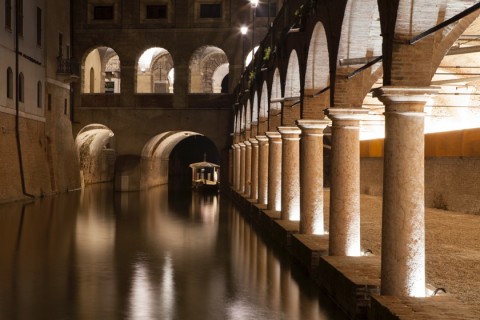
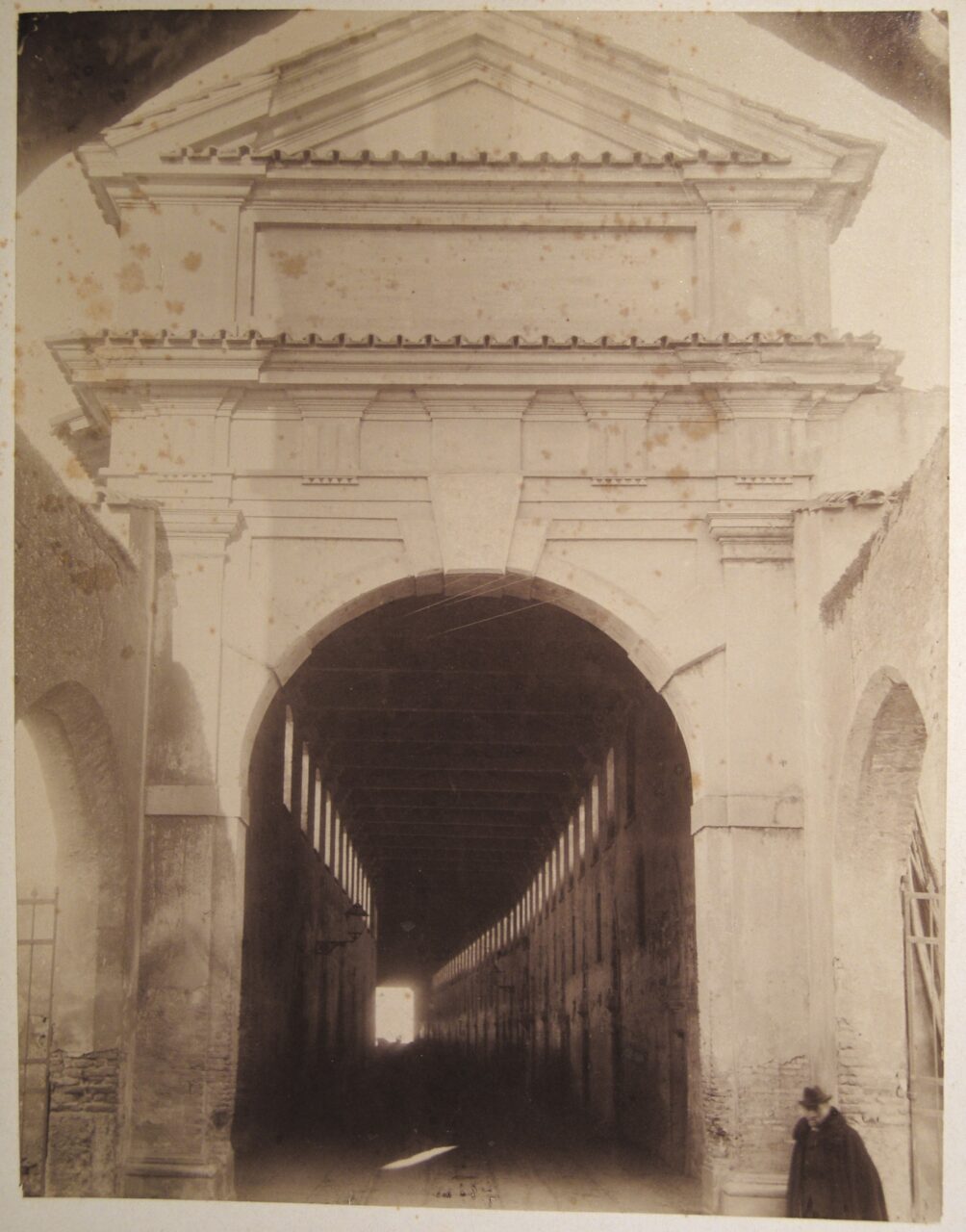
Another fundamental work is the Mulini dam bridge, built in the 12th century to regulate the water system and harness its driving force for grinding grain and other artisanal processes. Water thus became a true source of energy for the city.
The Rio
Mill Bridge