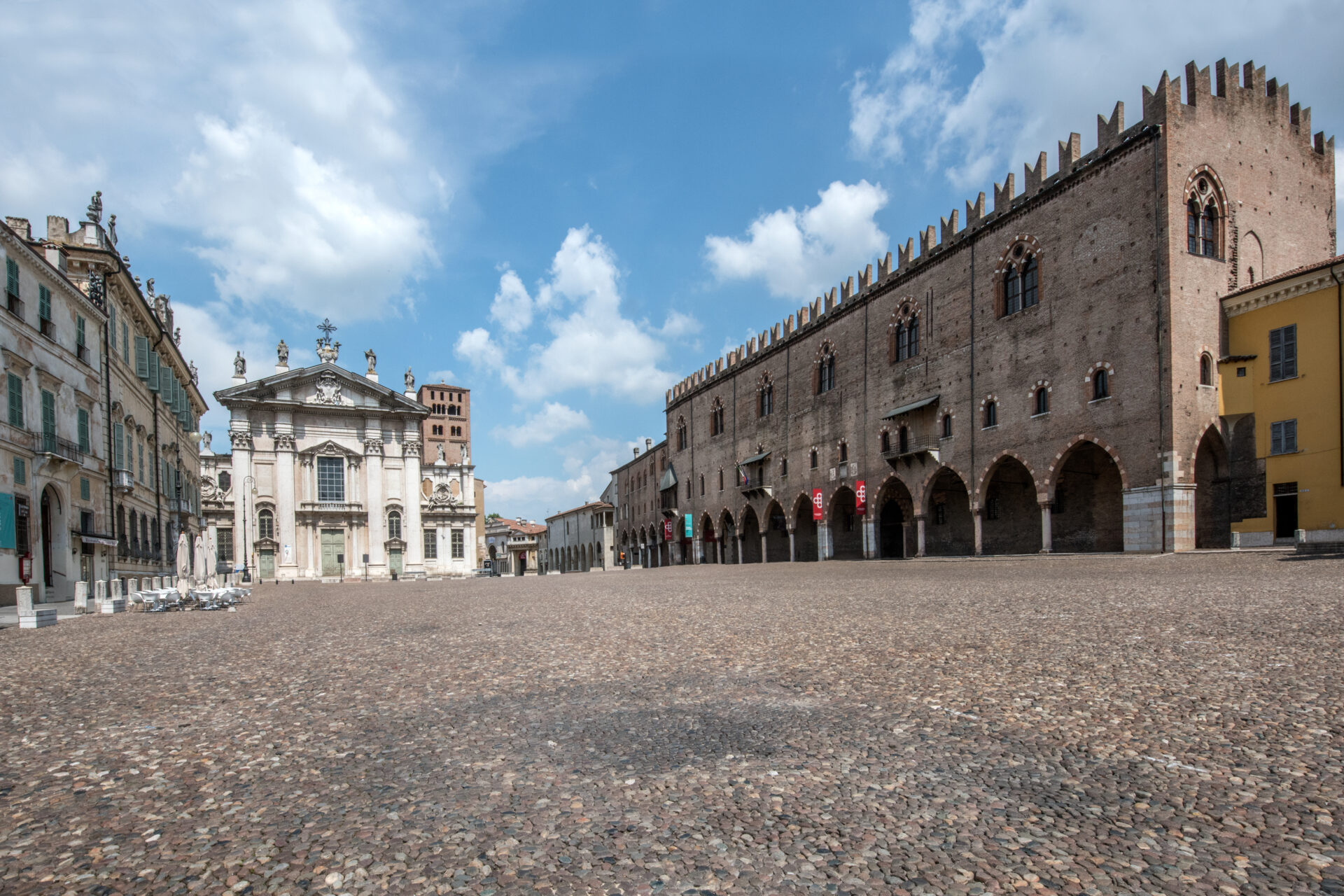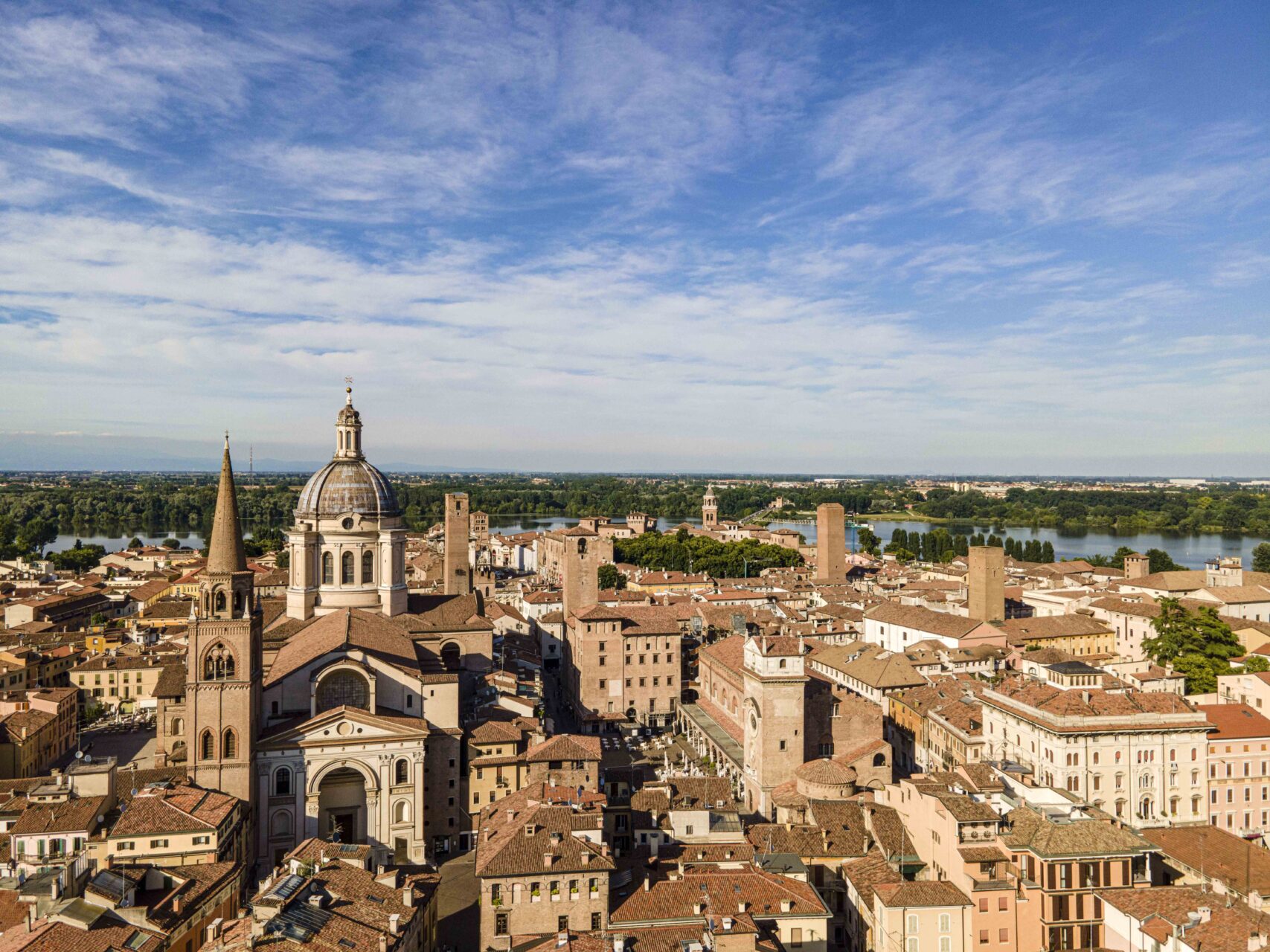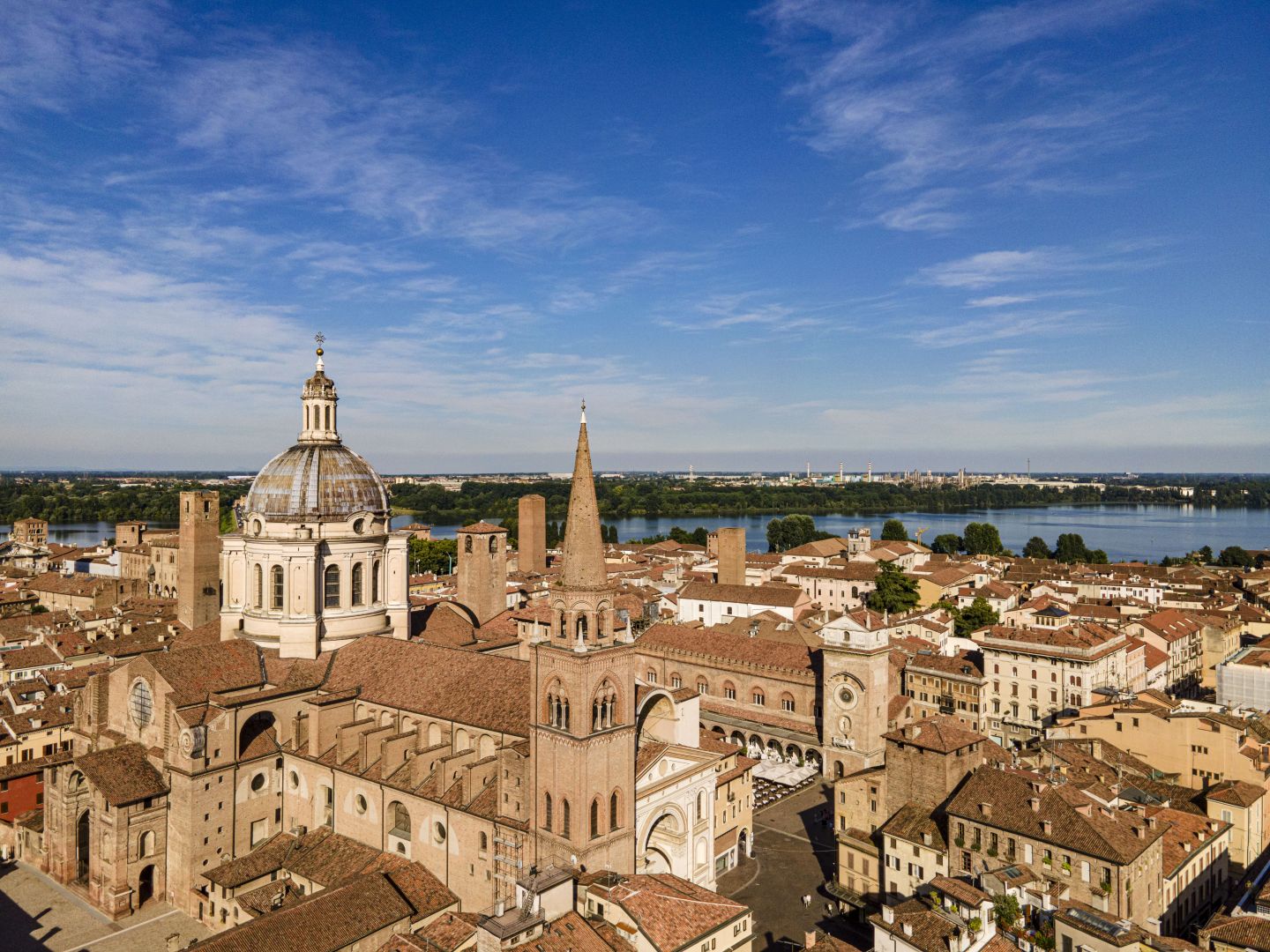
Within the city, a road axis has been identified that connects the area of the Palazzo Ducale with that of the Te, connecting the spaces dedicated to the public life of the Gonzaga with those reserved for rest and recreation. This axis, known as the "Prince's Path," originates in Piazza Sordello, where it overlooks Ducal Palace, finds its splendid fulcrum in the Basilica of Sant'Andrea, rebuilt to a design by Alberti for Ludovico Gonzaga, and continues across the Rio. Along the street are many historic buildings belonging to noble families who were friends with the Gonzaga family and who, with the beauty and luxury of their homes, contributed to the city's prestige.
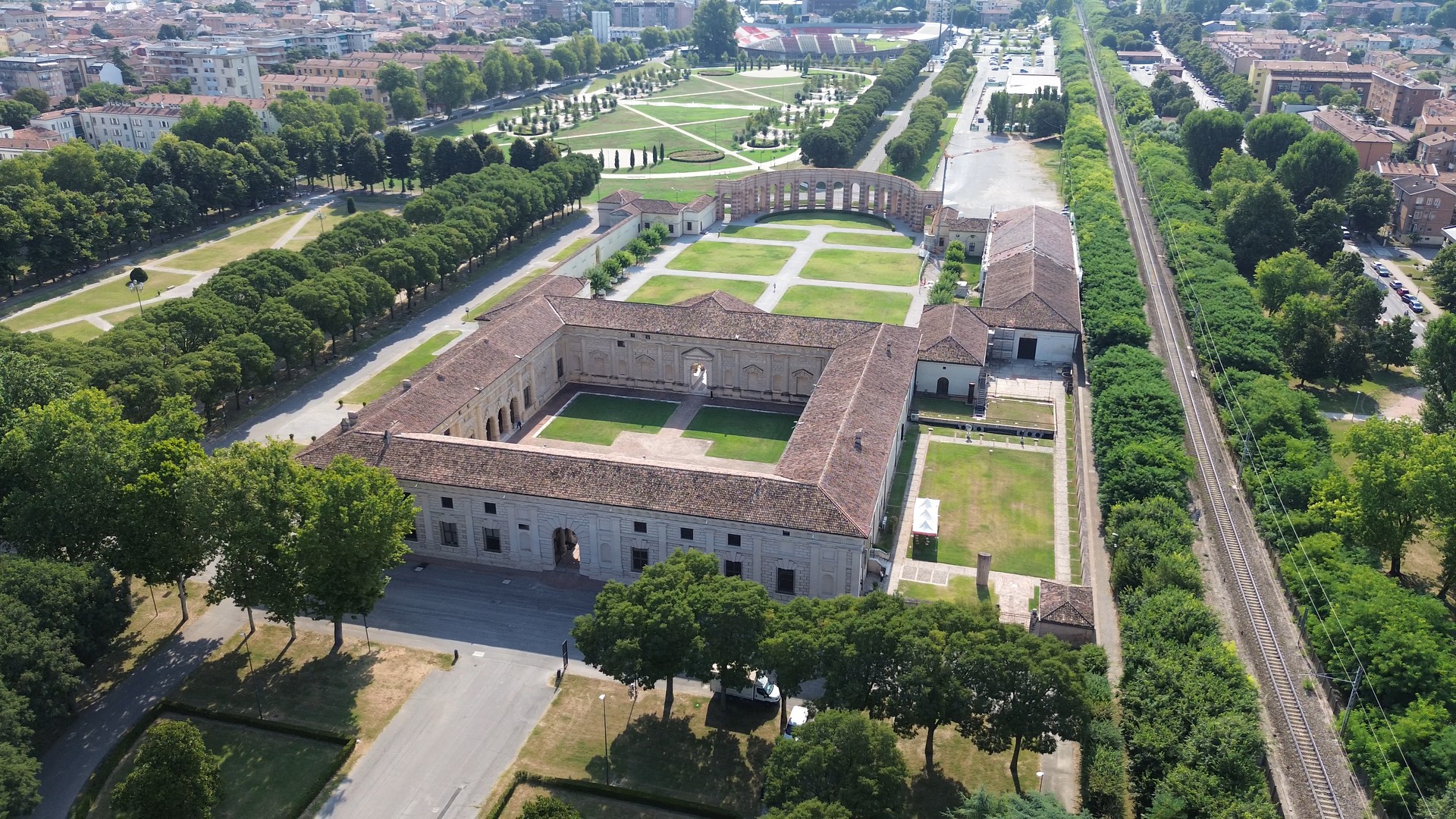
The itinerary then leads to monuments of great historical and artistic significance, grouped together in a few dozen steps within the confines of the ancient walls, and ends in the place that was once the island of Te. Andrea Mantegna's House, on land donated by Ludovico, stands in front of the Albertian Temple of San Sebastiano, and on the opposite side, the Palace of San Sebastiano, a residence that Francesco II Gonzaga had built to spend his last years there, finally Te Palace, created by Giulio Romano by transforming the riding school of the Te stables into a marvelous palace for the “leisure” of Frederick II.
The reverse route was often reserved for the most illustrious guests of the Mantuan court who, having landed on the island of Te and been welcomed into the Julian villa, would triumphantly cross the city, arriving full of admiration at the royal palace of the Ducal Palace.
Find out more
Te Palace
San Sebastiano Palace
Temple of San Sebastiano
Mantegna's House
Basilica of Sant'Andrea
Ducal Palace