MANTUA AND SABBIONETA: TWO CITIES, ONE UNESCO SITE
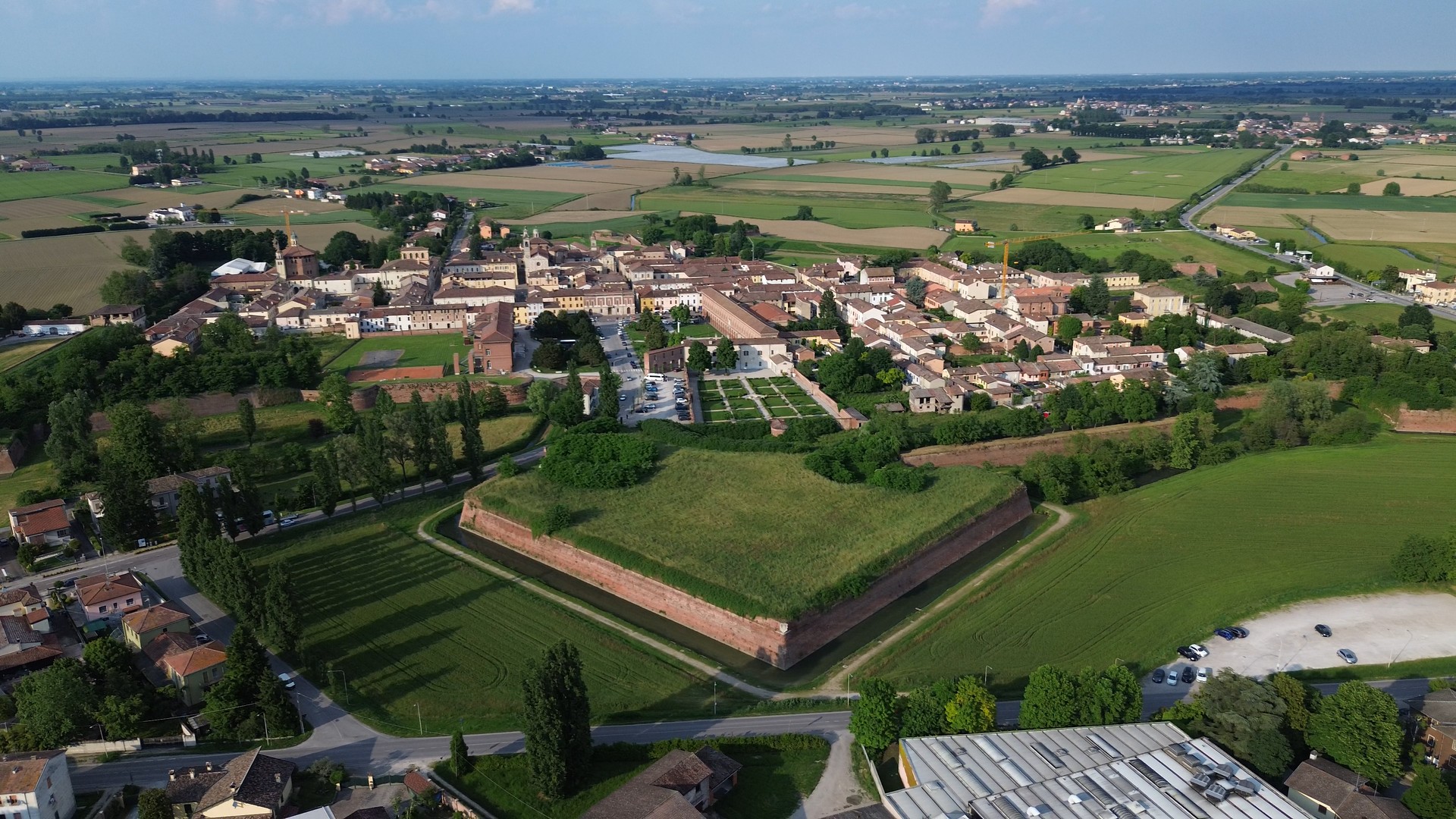
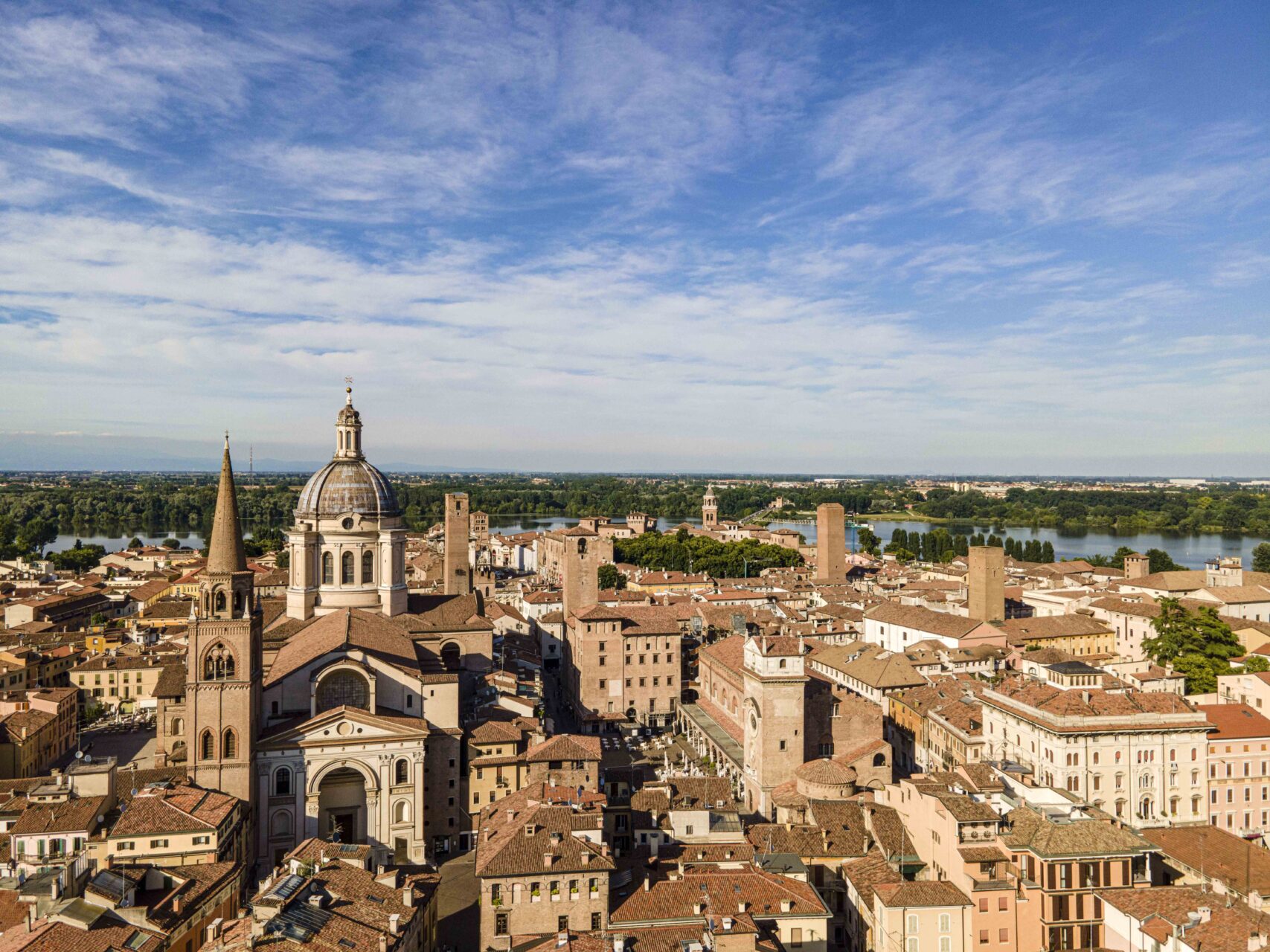
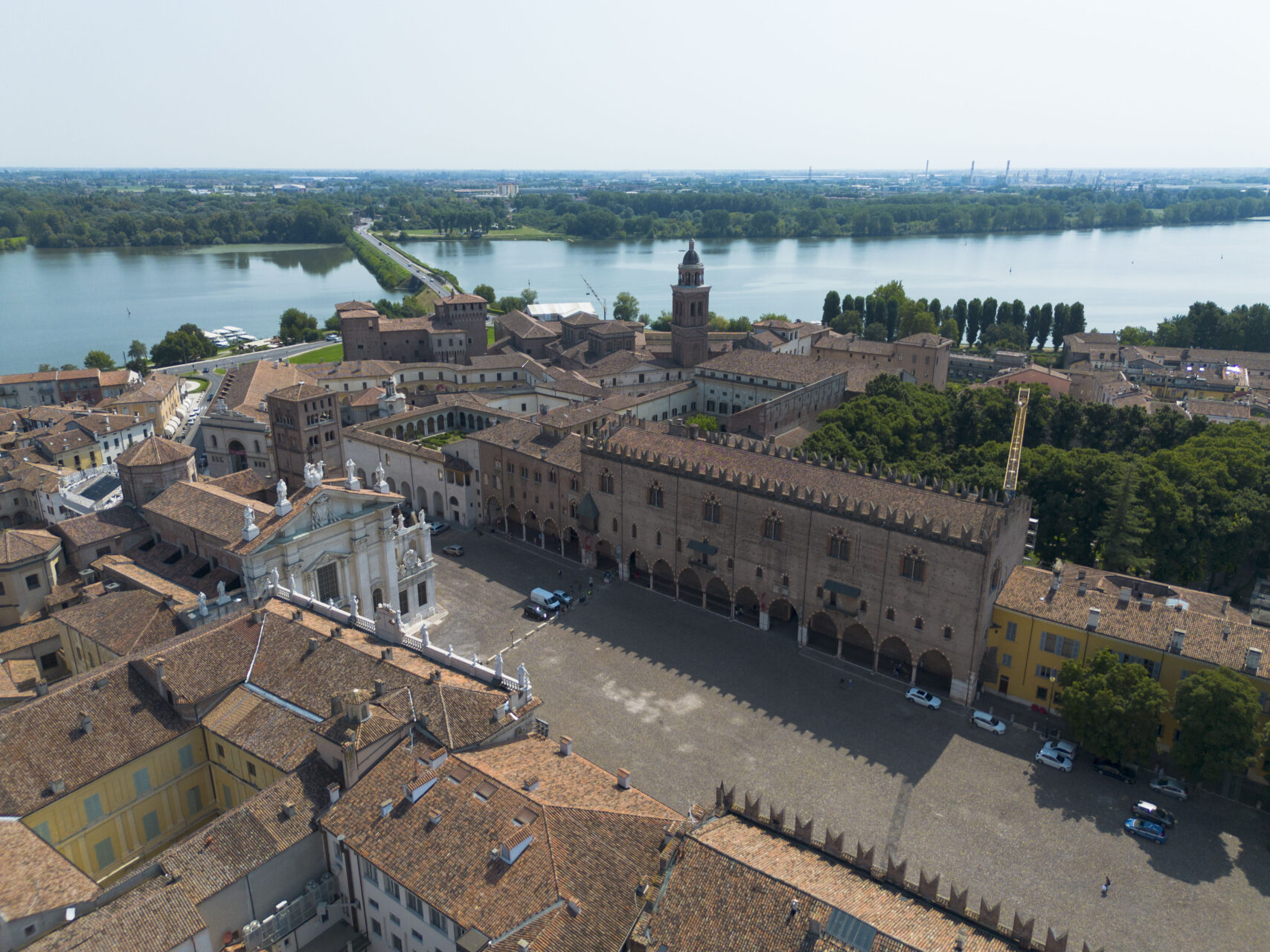
Mantua and Sabbioneta became UNESCO World Heritage Sites in 2008. According to UNESCO, they represent the two main urban forms of the Renaissance: the transformation of an existing city and the newly founded city. Indeed, while in Mantua the Gonzaga family repeatedly intervened in the existing urban center, transforming it and bringing it into line with Renaissance standards of perfection, Sabbioneta was completely built, over the course of approximately 35 years, according to the designs of Vespasiano Gonzaga. Some of the greatest artists of the era worked in both cities: Giulio Romano, Leon Battista Alberti, Andrea Mantegna, Bernardino Campi, and Vincenzo Scamozzi. Since their inscription on the World Heritage List, the Mantua and Sabbioneta site has become a shared heritage, to be protected and passed on to future generations. An identity to be shared and preserved over time.
Typology: Walking itinerary
Duration: 2 days
Best time: all year round
Number of Stages: 8
Stages:
MANTUA
MANTUA: A CITY OF TRANSFORMATION
– Piazza Sordello: Civitas Vetus and the City's Stratification’
– GIULIO ROMANO'S FISHMOBILE SHOPS
– THE RIVER: SIX BRIDGES FOR ONE CANAL
– THE CITY OF THE PRINCE
SABBIONETA
SABBIONETA: FOUNDATION CITY AND FORTRESS CITY
– VICTORY DOOR
– PALACE OF THE LIGHT CAVALLIER
–DUCAL SQUARE
– PARADE SQUARE